Goa for Solo Female Travelers: Safety, Tips and Best Areas
Let's address the elephant in the room immediately. India has a reputation problem when it comes to women's safety, and every solo female traveler considering Goa has googled some variation of "is Goa safe for women traveling alone?" The honest answer is nuanced: Goa is meaningfully safer for women than most other Indian states, and it is comparable in safety to popular beach destinations in Southeast Asia, Southern Europe, and Latin America. But it is not without gender-specific challenges, and pretending otherwise would be a disservice.
What makes Goa different from the rest of India is its tourism-dependent economy, its culturally liberal atmosphere (rooted in both Hindu and Catholic traditions with Portuguese influences), and the sheer volume of female travelers — both Indian and international — who visit and return year after year. The state is accustomed to women traveling independently in ways that parts of North India are not. This does not eliminate all risks, but it creates an environment where solo female travel is normal, supported, and overwhelmingly positive.
This guide is written from the perspective of someone who has traveled solo in Goa multiple times and spoken to dozens of women who have done the same. It covers the genuine safety picture, the best areas for solo female travelers, accommodation strategies, how to handle unwanted attention, building a social network, and making the most of a trip that many women describe as one of their best travel experiences.
The Safety Picture: Honest Assessment
What's Genuinely Good
Violent crime against female tourists in Goa is extremely rare. The state has a small, stable population of 1.5 million, a tourism industry that depends on visitor safety, and an active Tourist Police presence at major beaches during peak season. The general atmosphere — particularly in North Goa's tourist belt — is relaxed, cosmopolitan, and accustomed to women in swimwear, women dining alone, women on scooters, and women at bars and clubs without male companions. None of these things attract the kind of attention they might in more conservative Indian states.
The solo female traveler community in Goa is large and visible. At hostels in Anjuna, yoga retreats in Mandrem, cafes in Assagao, and beach shacks everywhere, you will find women traveling alone as a completely normal, unremarkable thing. This critical mass of solo female travelers creates safety in numbers and a shared knowledge base — women you meet will share tips, warn you about specific situations, and look out for each other in ways that add a genuine layer of security.
What Requires Awareness
Unwanted male attention is the most commonly reported issue. This ranges from staring (extremely common and, while annoying, typically harmless) to unsolicited conversation attempts, persistent following, and occasionally inappropriate comments or touching. The vast majority of these interactions come from domestic male tourists rather than locals — Goan men, particularly in tourist areas, are generally accustomed to female travelers and behave respectfully.
The intensity of unwanted attention varies significantly by area. Calangute and Baga beaches, with their large contingent of male domestic tourists, are the highest-frequency zones. Mandrem, Ashwem, and Assagao are noticeably calmer. South Goa beaches are generally quieter but can feel isolated — and isolation carries its own risks for solo travelers.
Drink spiking, while not widespread, has been reported at parties and clubs. Standard global precautions apply: never leave your drink unattended, do not accept drinks from strangers, and stay with people you trust in nightlife environments.
What to Do If Something Happens
If you experience harassment, your first recourse is the people around you — beach shack staff, restaurant workers, other travelers, and hotel/villa staff are generally responsive and helpful. For more serious situations, contact the Tourist Police helpline (1800-832-1212, toll-free) or the Women's Helpline (181). The Goa Police have a dedicated Women's Cell, and filing a complaint as a tourist is taken seriously — tourist safety is an economic priority for the state.
Best Areas for Solo Female Travelers
Mandrem and Ashwem: The Top Choice
The Mandrem-Ashwem stretch is widely considered the best area in Goa for solo female travelers. The beaches are beautiful but not overcrowded. The crowd skews toward yoga practitioners, digital nomads, and experienced travelers rather than large groups of domestic tourists. The beach shacks are laid-back and staffed by familiar faces who recognize regulars. And the general vibe — peaceful, creative, internationally minded — creates an environment where solo women feel comfortable and welcome.
Accommodation in Mandrem and Ashwem ranges from budget guesthouses (800-1,500 rupees/night) to boutique properties and private villas. Casa Amore Baia in Mandrem offers a private beachfront villa experience for solo travelers who want security and privacy — particularly appealing if you are combining a beach holiday with remote work or a personal retreat.
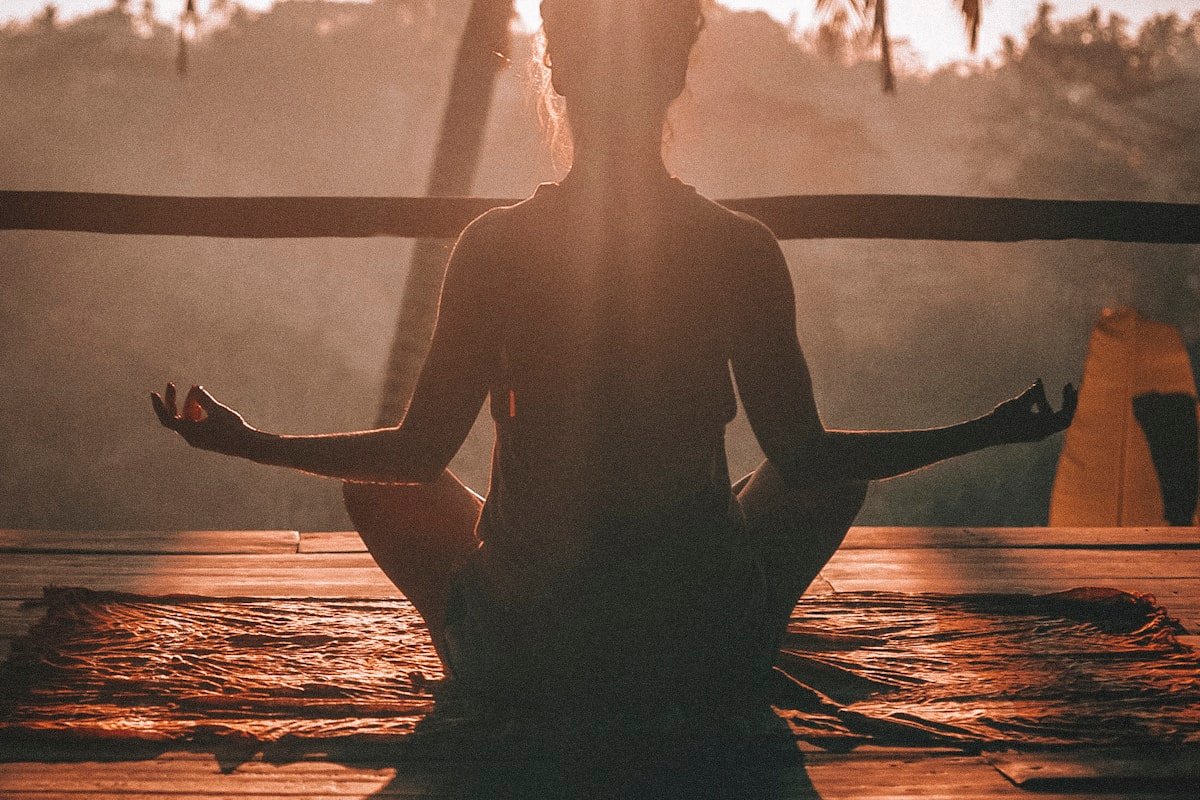
Yoga studios, wellness centers, and organic cafes in the area provide natural social hubs where solo female travelers meet each other organically. The morning yoga class at Ashiyana or the breakfast crowd at a Mandrem cafe often becomes the foundation for friendships that last the rest of the trip.
Assagao and Siolim: Culture and Cuisine Hub
Assagao is a quiet, leafy village that has become Goa's gourmet and cultural epicenter. For solo female travelers who care more about food, art, and atmosphere than beach time, Assagao is ideal. The streets are peaceful (walking and cycling feel safe at all hours), the restaurant scene is exceptional (Cavatina, Jamun, Villa Blanche within walking or short scooter distance), and the community of long-stay residents and repeat visitors creates a familiar, village-like social environment.
Casa Amore Aquasol in Assagao provides a secure, luxurious base with a private pool — ideal for solo travelers who want the option to retreat into complete privacy after a day of exploring. The villa's location in Assagao puts you within easy reach of both the food scene and the Anjuna-Vagator beaches without being in the middle of the tourist bustle.
Anjuna: The Social Hub
Anjuna is where solo travelers meet other solo travelers. The hostel scene (The Hostel Crowd, Jungle by the Hostel Crowd) creates instant social connections. The Wednesday Flea Market, the Vagator cliff area, and the Anjuna-Vagator cafe circuit are natural meeting points. The nightlife — from Curlies on the beach to the Saturday Night Market at Arpora — is active and social.
The tradeoff is that Anjuna has more of the unwanted-attention dynamic than Mandrem or Assagao. Beach areas during peak season can be busy with large groups of male tourists. The party scene involves alcohol and late nights, which require the same vigilance you would apply in any nightlife destination globally.
Palolem: Backpacker Friendly
Palolem in South Goa has a strong backpacker community with many solo female travelers. The crescent bay is beautiful, the beach hut accommodation is unique (sleeping on the beach in a bamboo hut), and the atmosphere is communal and friendly. Silent discos, kayaking trips, and cooking classes provide structured social activities.
The drawbacks: Palolem is more isolated than North Goa, with fewer restaurant and nightlife options. The beach hut accommodation, while atmospheric, offers less security than a proper guesthouse or villa. And reaching Palolem from the airport requires a 2-hour drive through South Goa.
Accommodation Strategy for Solo Female Travelers
Hostels: Built for Connection
Goa's hostels are purpose-built for solo traveler socialization. Female-only dorms provide security and same-gender companionship. Common areas, organized activities (beach outings, sunset sessions, market visits), and communal dinners create natural opportunities to meet people. The Hostel Crowd in Anjuna and Paper Boat in Assagao are consistently recommended by solo female travelers.
Hostel dorm beds run 500 to 1,500 rupees per night. Private rooms in hostels (combining social common areas with personal space) cost 2,000 to 4,000 rupees.
Boutique Guesthouses: Privacy with Community
Small boutique guesthouses (5-15 rooms) offer a middle ground — private rooms with the social opportunity of a common breakfast area and a host who can provide local recommendations and practical help. In Mandrem, Ashwem, and Assagao, several family-run guesthouses cater specifically to the solo female traveler market with security features, female staff, and a welcoming atmosphere.
Private Villas: Maximum Security and Comfort
For solo travelers who prioritize privacy and security — particularly those on longer stays, working remotely, or seeking a retreat-style experience — a private villa provides unmatched comfort. Properties with security staff, gated access, and responsive property management teams offer peace of mind that shared accommodation cannot match. The higher per-night cost is offset by the ability to cook meals (reducing dining-out costs), exercise privacy when desired, and control your environment completely.
Getting Around as a Solo Female Traveler
Scooter Rental
Renting a scooter gives you the most independence and is common among solo female travelers in Goa. The practical considerations: wear a helmet (mandatory and essential), avoid riding after dark, keep to well-traveled routes, and park in visible locations. Most solo female travelers report feeling safe on scooters during daylight hours — the independence and flexibility outweigh the road-safety concerns for experienced riders.
If you are not comfortable riding a scooter, do not force it. Goa's roads are chaotic, and an accident can derail your entire trip. Alternative transport options are viable.
Taxi and Ride-Sharing
Goa Miles is the state's official ride-sharing app and provides pre-set pricing and driver identification — both helpful safety features. Traditional taxis are safe for daytime travel. For late-night returns from parties or dinners, pre-arrange your taxi rather than flagging one down on the road. Share your ride details with someone — your hotel/villa host, a friend back home, or a travel companion you have met.
Walking and Cycling
Walking and cycling are practical in specific areas. Mandrem, Assagao, and Siolim are walkable and cycleable with low traffic and a peaceful atmosphere. The beach roads between Ashwem and Mandrem are popular walking routes, safe during daylight. Avoid walking alone on deserted roads or beaches after dark — this is not Goa-specific advice, it is universal travel safety.
Building Your Social Network
One of the most common concerns for solo female travelers is loneliness — the fear that you will spend a week eating alone and staring at your phone. In Goa, this fear is almost always unfounded. The social infrastructure for solo travelers is robust:
Yoga classes and retreats are the single best way to meet like-minded people. A morning class becomes a natural icebreaker, and the post-class chai often leads to lunch plans, beach outings, and multi-day friendships. Ashiyana in Mandrem and Purple Valley in Assagao have particularly strong community dynamics.
Hostel social events — group dinners, beach bonfires, market visits — are designed for solo travelers. Even if you are not staying at a hostel, many allow walk-ins for events and communal meals.
Cafe culture in Assagao and Anjuna provides organic meeting opportunities. Regulars at cafes like Artjuna and Cafe Bodega often end up in conversation with other solo travelers. Bringing a book or a laptop gives you a comfortable reason to be there without needing to initiate interaction.
Social media groups for solo female travelers in Goa are active on Facebook and Instagram. The "Solo Female Travelers in Goa" and "Girls in Goa" communities share real-time tips, safety updates, and meetup invitations.
What to Do: Activities Perfect for Solo Female Travelers
Yoga and Wellness
Goa is one of the world's best destinations for combining yoga with a beach holiday. Drop-in classes are available throughout North Goa for 500 to 1,000 rupees per session. Multi-day retreats with accommodation run 30,000 to 80,000 rupees per week. Ayurvedic treatments and spa experiences are excellent and affordable — a 90-minute Abhyanga massage costs 2,000 to 4,000 rupees at reputable centers.
Cooking Classes
Learning to cook Goan cuisine is a social activity that solo travelers consistently enjoy. Classes at Rita's Gourmet in Panjim and various villa-based experiences run 2,000 to 5,000 rupees, typically include a market visit, and end with a communal meal — perfect for meeting people.
Market Exploration
The Wednesday Flea Market in Anjuna, the Saturday Night Market at Arpora, and the Mapusa Friday Market are engaging solo activities that combine shopping, people-watching, food sampling, and casual social interaction. Markets feel safe due to their crowds and commercial character — vendors are friendly and accustomed to solo female shoppers.
Heritage and Culture Walks
The Portuguese heritage of Old Goa, the Fontainhas Latin Quarter walking tour in Panjim, and the village churches and temples of central Goa offer enriching solo activities. The Goa Tourism Development Corporation (GTDC) operates heritage walks with guides, and several private operators offer small-group walking tours that attract solo travelers.
Water Activities
Kayaking on the Mandovi and Zuari rivers, dolphin-watching boat trips from Sinquerim or Palolem, and snorkeling at Grande Island are activities that solo travelers can join as part of a group tour. These group activities provide both the experience and the social interaction without requiring a travel companion.
Practical Tips: The Small Things That Matter
Share your itinerary with someone at home and check in daily. Save the Tourist Police (1800-832-1212) and Women's Helpline (181) numbers in your phone. Keep a photocopy of your passport in a separate location from the original. Carry a charged power bank — a dead phone battery when you need a taxi is a preventable problem.
Trust your instincts. If a situation feels uncomfortable, leave. You do not owe anyone politeness at the cost of your safety. A firm "no" or simply walking away is always an acceptable response to unwanted attention.
Learn a few words of Konkani or Hindi. Basic phrases like "naka" (no in Konkani) or "chodo" (leave me alone in Hindi) communicate clearly without ambiguity. Most Goans speak English, but showing that you know local words can signal that you are not a first-time, easily-manipulated tourist.
Dress for the context. Goa is relaxed — swimwear at the beach, shorts and tank tops at restaurants, and casual everything else is fine. But at temples, churches, and more conservative inland areas, covering shoulders and knees shows cultural awareness and reduces unwanted attention.
When to Visit: Best Seasons for Solo Female Travel
November to February is the peak season and the best time for solo female travelers. The weather is perfect, the solo traveler community is at its largest, hostels and social venues are fully operational, and the general energy of the state is welcoming and festive. Late January to February offers the sweet spot — excellent weather, smaller crowds than December, and lower prices.
Monsoon season (June to September) has its own appeal — dramatic scenery, almost no tourists, and rock-bottom prices — but the reduced tourist presence means fewer social opportunities and a smaller safety-in-numbers buffer. If you visit during monsoon, stay in populated areas and ensure your accommodation has reliable staff presence.
Frequently Asked Questions
Is Goa safe for solo female travelers from abroad?
Yes, Goa is one of the safest destinations in India for international solo female travelers. The tourism infrastructure is mature, English is widely spoken, the atmosphere is cosmopolitan, and the solo female traveler community is large and visible. Standard travel precautions apply — avoid isolated areas after dark, secure your valuables, and trust your instincts — but the vast majority of women who visit Goa solo have overwhelmingly positive experiences.
What should a solo female traveler wear in Goa?
Goa is more relaxed about clothing than most of India. Swimwear at the beach, shorts and tank tops at restaurants and cafes, and casual summer clothing everywhere is perfectly appropriate. At temples and churches, cover shoulders and knees. The dress code at nightclubs is casual-smart. Wearing what you are comfortable in is the general rule — Goa's tourist areas are not conservative environments.
Which area of Goa is safest for solo female travelers?
Mandrem-Ashwem is consistently recommended as the safest and most comfortable area for solo female travelers. The community is yoga and wellness-oriented, the crowd is mature and international, and the atmosphere is peaceful without being isolated. Assagao is excellent for those who prefer a village setting with outstanding restaurants. Anjuna offers the most social opportunities but has more unwanted-attention dynamics.
Can a solo female traveler go to Goa's nightlife safely?
Yes, with standard precautions. Attend clubs and parties with people you trust (hostel companions, friends you have made). Never leave your drink unattended. Pre-arrange return transport before going out. Avoid walking alone on dark roads after parties. The party scene in Anjuna-Vagator is generally safe and welcoming for women — the crowd is mixed and the atmosphere is relaxed. Baga's nightlife strip can feel more intense and male-dominated.
How easy is it to meet other travelers in Goa as a solo female?
Very easy. Yoga classes, hostel common areas, market visits, beach shacks, and cafes all provide natural opportunities to meet fellow travelers. The solo female traveler community in Goa is active and welcoming — women look out for each other and readily share tips, meals, and beach days. Facebook groups like "Solo Female Travelers in Goa" facilitate meetups. Most solo women report making friends within their first day.
Should I rent a scooter as a solo female traveler in Goa?
If you are an experienced two-wheeler rider, yes — it provides independence and flexibility that significantly enhances the solo travel experience. If you are not experienced, do not learn on Goa's roads. Use Goa Miles (ride-sharing app), pre-arranged taxis, or rent a bicycle for short distances instead. Scooter safety is a gender-neutral concern — road conditions and traffic, not personal security, are the primary risk.
What budget should a solo female traveler plan for Goa?
Budget travelers can manage on 2,000 to 3,500 rupees per day (hostel dorm, beach shack meals, scooter rental shared costs). Mid-range solo travel costs 5,000 to 8,000 rupees per day (private room in a guesthouse, restaurant meals, activities). Luxury solo travel (private villa, fine dining, spa treatments) runs 15,000 to 25,000 rupees per day. These ranges exclude flights.
Is it safe to stay in beach huts in Goa as a solo woman?
Beach huts in areas like Palolem and Agonda are popular with solo female travelers and generally safe. Choose huts with proper locks on doors and windows, avoid huts on the very edge of the property (closest to isolated beach stretches), and pick properties with visible staff presence and good reviews from female travelers. The communal nature of beach hut accommodation creates a built-in safety network of fellow guests.
How do I handle persistent unwanted attention in Goa?
A firm, direct "no" or "leave me alone" is the most effective first response — clarity matters more than politeness in these situations. If the person persists, move to a populated area or approach beach shack staff, restaurant workers, or other travelers for support. If the behavior is threatening, call the Women's Helpline (181) or Tourist Police (1800-832-1212). Document incidents with photos or notes if possible. Reporting persistent harassment helps both you and future travelers.
Can I do a yoga retreat in Goa as a solo female traveler?
Absolutely — solo female travelers are the primary demographic at most Goa yoga retreats. Centers like Ashiyana in Mandrem and Purple Valley in Assagao have strong female communities. Retreats provide structured schedules, built-in social interaction, healthy meals, and a supportive environment that many solo women describe as the highlight of their Goa trip. Expect 50 to 70 percent female participants at most retreats.