Is Goa Safe? Complete Tourist Safety Guide for 2026
The short answer is yes — Goa is one of the safest tourist destinations in India and compares favorably with popular beach destinations worldwide. But that short answer deserves a longer, more honest conversation about the specific risks that do exist, how to manage them, and what precautions will let you enjoy everything Goa offers without unnecessary worry.
Goa welcomes over 8 million tourists annually — a remarkable number for a state with a population of just 1.5 million. The tourism-dependent economy means that local authorities, businesses, and communities have a strong incentive to keep visitors safe. Violent crime against tourists is extremely rare. The primary risks in Goa are the same ones you would face at any tropical beach destination: road accidents, water safety, petty theft, health issues, and the occasional scam. None of these should discourage you from visiting, but understanding them will make your trip smoother and more enjoyable.
Crime and Personal Safety
Violent Crime
Violent crime against tourists in Goa is exceptionally rare. The state has one of the lowest violent crime rates in India, and the incidents that do make international headlines — which happen perhaps once or twice a decade — are statistical outliers in a destination that hosts millions of visitors. You are statistically safer walking the streets of Panjim or Calangute at night than you would be in most European or American cities.
That said, common sense applies. Avoid walking alone on deserted beaches after midnight, particularly in isolated stretches of South Goa. Stick to well-lit, populated areas when returning from late-night outings. If you are out late in the Anjuna-Vagator party zone, travel with companions rather than alone.
Petty Theft
Petty theft — pickpocketing, bag snatching, theft from unattended belongings — is the most common crime affecting tourists in Goa, though it remains less prevalent than in many other tourist destinations globally. The highest-risk situations are crowded markets (Anjuna Flea Market, Mapusa Friday Market), busy beach areas during peak season, and nightclub environments.
Practical precautions: Do not leave valuables unattended on the beach while swimming. Use a waterproof phone pouch if you want your phone at the beach. Keep your primary cash, passport, and cards in your accommodation's safe (or locked in your villa — properties like Casa Amore Aquasol and Casa Amore Baia provide secure storage). Carry only what you need for the day. Use a cross-body bag rather than a shoulder bag or backpack that can be opened without your knowledge.
Scams
Goa has relatively few tourist scams compared to other Indian destinations, but some persist:
Taxi overcharging is the most common issue. Goa does not have metered taxis — all fares are negotiated or based on a loosely followed rate card. Agree on the fare before getting in. For reference: airport to North Goa (Calangute/Baga) should be 800 to 1,200 rupees; airport to South Goa (Palolem) should be 1,500 to 2,000 rupees. Use app-based services like Goa Miles where available.
Jet ski and water sports operators on busy beaches sometimes quote inflated prices or add hidden charges. Agree on the price, duration, and what is included before any money changes hands. Government-authorized operators display their license — check for it.
Timeshare and property sales pitches occasionally target tourists at beaches and markets. These are high-pressure sales tactics, not scams per se, but they waste time and energy. A firm "no thank you" is sufficient.
Drug-related scams are the most serious. Undercover police or informants may offer drugs at parties or beaches, followed by an arrest and demand for bribes. The simple rule: do not buy illegal substances from strangers. Goa's drug laws carry serious penalties, and "but I'm a tourist" is not a legal defense.
Road Safety
Road accidents are the single biggest safety risk for tourists in Goa. The combination of narrow roads, erratic local driving, stray animals, poor lighting at night, and — critically — tourists on rented scooters with little experience riding in Indian traffic conditions creates a genuinely dangerous situation that accounts for more tourist injuries and fatalities than any other cause.
Scooter and Motorcycle Safety
Renting a scooter or motorcycle is one of the most popular ways to explore Goa, and for good reason — it gives you freedom and flexibility that no taxi or bus can match. However, the statistics are sobering. Road accidents involving two-wheelers are the leading cause of tourist hospital visits in Goa, and a significant proportion involve riders with limited experience on Indian roads.
If you rent a scooter: wear a helmet at all times (it is legally required and personally essential). Drive defensively — assume every other vehicle will make unpredictable moves. Avoid riding at night, when poor lighting, oncoming high-beam headlights, and alcohol-impaired drivers dramatically increase risk. Do not ride after drinking. Choose a scooter with disc brakes rather than drum brakes. And practice in a quiet area before hitting the main roads.
If you are not an experienced rider, consider using taxis, ride-sharing apps, or renting a car with a driver. The cost difference is modest, and the safety improvement is substantial.
Driving Conditions
Goa's roads range from well-maintained national highways to narrow village lanes with no markings, no lighting, and occasional surprise speed bumps. Traffic rules are loosely followed — expect vehicles to pass on the wrong side, run red lights, and make turns without signaling. Stray dogs and cows appear on roads without warning. During monsoon season (June to September), flooding and landslides can close roads with little notice.
The most dangerous roads for tourists are the winding routes through the Western Ghats (toward Dudhsagar Falls), the busy Calangute-Baga stretch during peak season, and any road after dark. If driving yourself, use navigation apps, drive slowly, and keep your headlights on even during the day.
Beach Safety
Swimming and Water Safety
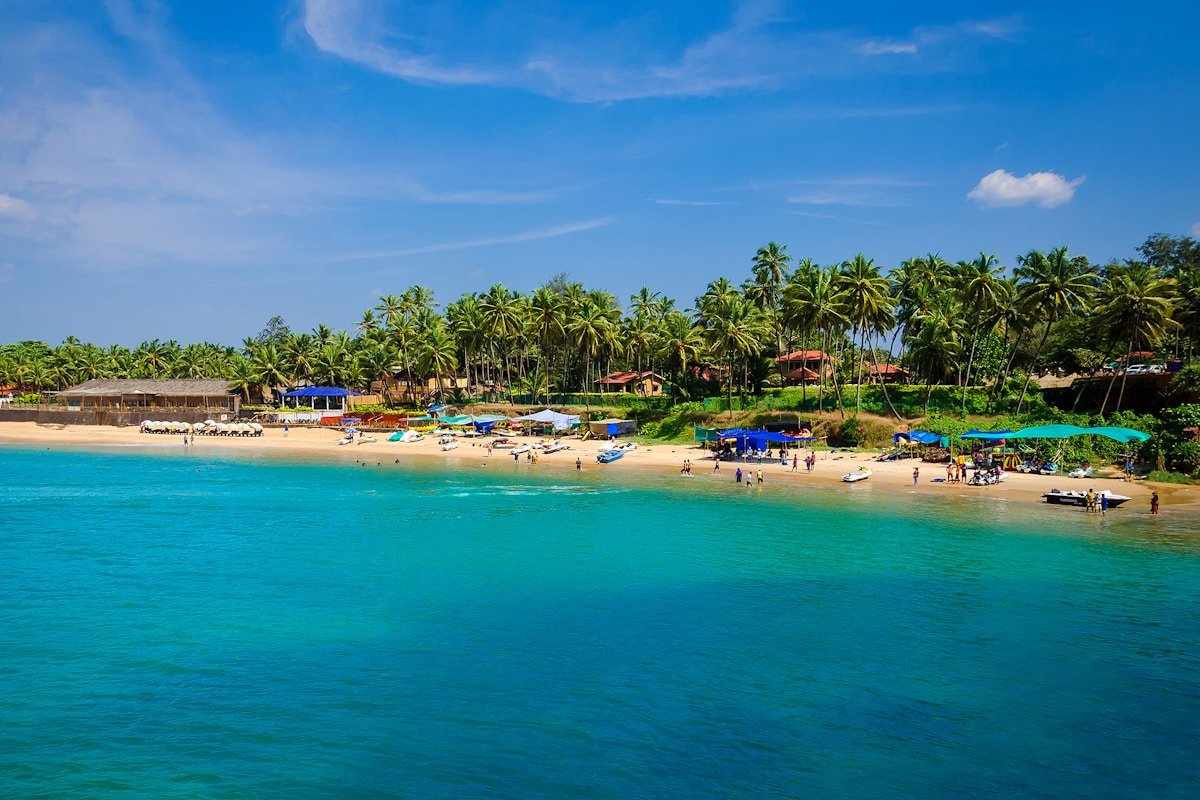
Goa's beaches are generally safe for swimming during the tourist season (October to May), when the Arabian Sea is relatively calm. However, drowning incidents do occur — an average of 80 to 100 drownings are reported in Goa annually, many involving tourists who underestimate the sea conditions or swim under the influence of alcohol.
Key precautions: Swim only at beaches with lifeguards on duty — most popular beaches in North and South Goa have lifeguard coverage from 8 AM to 6 PM. Observe the flag system — red flags indicate no swimming, yellow flags indicate caution, green flags indicate safe conditions. Do not swim after dark. Do not swim after drinking alcohol. Be aware of rip currents, particularly at Calangute, Baga, Arambol, and Palolem.
If caught in a rip current: do not fight it. Swim parallel to the shore until you exit the current, then swim back to the beach. Most rip currents are narrow — 20 to 30 meters — and swimming sideways will take you out of the pull within a few strokes.
Water Sports Safety
Water sports operators in Goa range from fully professional outfits with safety equipment and trained staff to informal operators with minimal safety protocols. For parasailing, jet skiing, banana boat rides, and other motorized water sports, use operators based at established locations (like Calangute, Baga, or Benaulim) where there is oversight. Check that life jackets are provided and in good condition. Avoid operators who seem to be cutting corners on safety.
For scuba diving and snorkeling at Grande Island or Bat Island, use PADI-certified dive operators. The major operators — Dive Goa, Goa Diving, Barracuda Diving — maintain international safety standards and have experienced instructors.
Health and Medical Safety
Common Health Issues
The most common health issues affecting tourists in Goa are gastrointestinal problems (Delhi belly), heat-related illness, and insect bites. These are manageable with basic precautions:
Stomach issues: Drink bottled water (check the seal is intact), avoid ice from uncertain sources (though most tourist restaurants use commercial ice), eat freshly cooked food, and wash or peel fruit. Your stomach will likely take a day or two to adjust to Goan food regardless — start with milder dishes and build up to the spicier ones. Carry oral rehydration salts and basic antidiarrheal medication.
Heat and sun: Goa is tropical, and the sun is strong year-round. Use SPF 50+ sunscreen, reapply after swimming, wear a hat, and drink at least 3 to 4 liters of water daily. Heat exhaustion and heatstroke are genuine risks, particularly in April and May when temperatures exceed 35 degrees Celsius. If you feel dizzy, nauseous, or have stopped sweating, get into shade immediately and hydrate.
Mosquitoes: Dengue fever and malaria exist in Goa, though cases have decreased significantly in recent years. Use insect repellent containing DEET during dawn and dusk hours. Mosquito coils and plug-in repellents in your accommodation help at night. If you develop a sudden high fever during or after your trip, seek medical attention promptly and mention your travel to Goa.
Medical Facilities
Goa has adequate medical facilities for common tourist health issues. The Goa Medical College in Bambolim is the main government hospital. Private hospitals including Manipal Hospitals Goa, Vrundavan Hospital, and Apollo Victor Hospital provide good-quality care. Pharmacies are widely available and stock most common medications without a prescription. For serious medical emergencies, Manipal Hospitals Goa has the most comprehensive emergency department in the state.
Safety for Solo Travelers
Goa is one of India's most solo-traveler-friendly destinations. The tourist infrastructure is well-developed, English is widely spoken, and the general atmosphere is welcoming and cosmopolitan. Thousands of solo travelers — both Indian and international — visit Goa every year without incident.
For solo travelers, the key safety practices are the same as anywhere: inform someone of your plans, stay in well-reviewed accommodation, be cautious about accepting drinks from strangers, and trust your instincts about people and situations. Goa's hostel scene — with places like The Hostel Crowd in Anjuna, Zostel in Palolem, and Paper Boat in Assagao — provides built-in social networks for solo travelers, which adds both companionship and safety.
Safety for Female Travelers
Goa is widely regarded as the safest Indian state for female travelers, and most women who visit have overwhelmingly positive experiences. The state's cosmopolitan culture, tourism-oriented economy, and generally progressive social attitudes create an environment that is significantly more comfortable for women than many other parts of India.
However, it would be dishonest to suggest that no gender-specific risks exist. Unwanted attention — staring, unsolicited comments, and persistent approaches from local men — does occur, particularly on busy beaches and in nightlife areas. The vast majority of these interactions are annoying rather than threatening, but they can be uncomfortable. Firm, clear refusals typically end the interaction. If someone persists, move to a more populated area or approach other tourists, restaurant staff, or beach shack workers for support.
Practical tips for female travelers: avoid isolated beaches after dark, do not accept rides from strangers, be cautious about drinking to excess in unfamiliar environments, and stay in reputable accommodation. If traveling solo, the stretch between Mandrem, Ashwem, and Morjim in North Goa is particularly female-traveler-friendly, with a strong community of solo travelers and a relaxed, safe atmosphere.
Drug Safety and Legal Risks
Goa's reputation as a party destination inevitably intersects with the drug question, and this is an area where many tourists get into serious trouble. India's Narcotic Drugs and Psychotropic Substances Act carries severe penalties — possession of small quantities of cannabis can result in 6 months to 1 year imprisonment, while possession of harder drugs can lead to 10 to 20 years.
These laws are enforced. Police raids on parties, beach searches, and undercover operations happen regularly. Foreign tourists arrested for drug offenses face lengthy legal proceedings, potential imprisonment, and deportation with a permanent ban on re-entry to India. Consular assistance is limited in drug cases — your embassy can ensure you have legal representation but cannot get you released.
The practical advice is straightforward: do not use illegal drugs in Goa. The risk-reward calculation is catastrophically unfavorable. If you want to enjoy Goa's party scene — and you absolutely should, because it is world-class — do so with legal substances. The beer is cheap, the feni is potent, and the cocktails are excellent.
Emergency Contacts and Resources
Keep these numbers saved in your phone before you arrive:
Police emergency: 100. Tourist police helpline: 1800-832-1212 (toll-free). Women's helpline: 1091 or 181. Ambulance: 108. Fire: 101. Coastguard: 1554. Police control room (Panjim): +91-832-2412020.
The Goa Police Tourist Cell operates from Panjim and has English-speaking officers trained to handle tourist issues. Their response to tourist complaints is generally prompt and professional. For non-emergency situations — passport loss, minor theft reports, traffic accident documentation — visit the nearest police station during business hours.
Neighborhood Safety Guide
North Goa
Calangute and Baga are the busiest tourist areas with the highest density of both tourists and touts. They are safe but can feel overwhelming. Anjuna and Vagator have a more laid-back vibe with an active nightlife scene — safe by day, use standard nightlife precautions after dark. Morjim, Ashwem, and Mandrem are among the safest areas in Goa, with a quieter, more upscale atmosphere. Assagao and Siolim are quiet residential areas popular with long-stay visitors — very safe, excellent food scene, minimal tourist hassle.
South Goa
Palolem and Agonda are backpacker favorites with a friendly community feel — very safe. Benaulim, Varca, and Cavelossim are resort-dominated stretches with low crime. Colva has a busier beach scene similar to Calangute but less developed. South Goa overall feels calmer and safer than the busier parts of North Goa.
Panjim
The state capital is safe, walkable, and well-policed. The Fontainhas Latin Quarter is one of the most charming neighborhoods in India. Panjim is an excellent base for cultural exploration, dining, and accessing Old Goa's churches and heritage sites.
Frequently Asked Questions
Is Goa safe for solo female travelers?
Yes, Goa is widely considered the safest Indian state for solo female travelers. The tourist infrastructure is well-developed, English is widely spoken, and the atmosphere is more cosmopolitan and progressive than most parts of India. Standard precautions apply — avoid isolated beaches after dark, stay in reputable accommodation, and trust your instincts. The Mandrem-Ashwem-Morjim stretch in North Goa is particularly recommended for solo female travelers.
Is it safe to rent a scooter in Goa?
Scooter rental is safe for experienced riders who follow basic precautions: wear a helmet, drive defensively, avoid night riding, and never ride after drinking. If you are not an experienced two-wheeler rider, the risk is significantly higher — Goa's roads and traffic conditions are challenging for beginners. Consider hiring a car with a driver or using ride-sharing apps instead.
Is it safe to swim at Goa beaches?
Yes, during the tourist season (October to May) with lifeguards on duty. Swim at popular, lifeguarded beaches, observe the flag warning system, avoid swimming after dark or after drinking alcohol, and be aware of rip currents. During monsoon season (June to September), many beaches are too rough for safe swimming.
What are the biggest safety risks for tourists in Goa?
Road accidents (especially scooter incidents) are the single biggest risk, followed by water-related incidents (drowning, water sports accidents), gastrointestinal illness, heat-related illness, and petty theft. Violent crime against tourists is extremely rare. All of these risks are manageable with standard precautions.
Is Goa safe at night?
Tourist areas like Baga, Anjuna, Vagator, and Palolem are generally safe at night with normal precautions. Avoid walking alone on deserted beaches or poorly lit roads after midnight. Use registered taxis or ride-sharing apps rather than accepting rides from strangers. The party areas of North Goa are well-policed during peak season.
Do I need travel insurance for Goa?
Strongly recommended. Travel insurance covering medical expenses, emergency evacuation, trip cancellation, and theft will give you peace of mind and financial protection. Medical care in Goa is affordable by Western standards, but hospital bills for serious injuries can still be substantial. Ensure your policy covers scooter riding if you plan to rent one.
Is the tap water safe to drink in Goa?
No, do not drink tap water in Goa. Drink bottled water (check the seal is intact — avoid bottles that have been refilled), or bring a water purification bottle or UV sterilizer. Most restaurants use filtered or bottled water for cooking and ice. Hotels and villas provide drinking water. Staying hydrated with safe water is important given the tropical climate.
Are there areas in Goa tourists should avoid?
There are no no-go zones in Goa for tourists. Some areas are simply less interesting or less equipped for tourism rather than dangerous. The industrial port areas of Vasco da Gama and the mining regions of eastern Goa have little tourist appeal but are not unsafe. Isolated beaches should be avoided after dark. During monsoon season, jungle trails and waterfall areas can be hazardous due to flooding and landslides.
How safe is food in Goa?
Food safety in Goa is generally good at established restaurants, beach shacks, and hotels. Stick to freshly cooked food, avoid raw salads and cut fruit from street vendors if you have a sensitive stomach, and choose busy stalls for street food (high turnover means fresher preparation). Most stomach issues experienced by tourists are caused by the adjustment to new cuisine, spice levels, and tropical climate rather than contamination.
Is Goa safe during monsoon season?
Goa during monsoon (June to September) is safe but requires different precautions. Many beach shacks and water sports operators close. Sea conditions make swimming dangerous on most beaches. Roads can flood, landslides occur in hilly areas, and mosquito-borne disease risk increases. The state is beautiful and dramatically less crowded during monsoon, but plan for indoor activities and road disruptions. Accommodation prices drop significantly.