Istanbul on a Budget: How to Explore for Under $50 a Day
Istanbul is one of the great bargains of world travel in 2026. The Turkish lira's depreciation against the dollar and euro means that a city rivaling Paris and Rome in history, architecture, and culinary culture costs a fraction of what those cities demand. A sit-down lunch that would cost $25 in Rome runs $4-6 in Istanbul. A museum ticket that would be €20 in Paris is 400 TRY (about $12) here — and many of Istanbul's most extraordinary experiences are completely free.
This is not a guide about roughing it. You will eat well — kebabs, mezes, fresh fish, baklava from 150-year-old shops. You will see the inside of Hagia Sophia, cruise the Bosphorus, wander the Grand Bazaar, and drink tea overlooking the Golden Horn. The $50/day budget assumes you have already sorted accommodation. What follows is a realistic breakdown of daily spending on food, transport, sights, and experiences — with specific prices, locations, and the strategies that keep costs down without sacrificing quality.
The Daily Budget Breakdown
Here is how $50 USD (approximately 1,650 TRY at current exchange rates) breaks down across a full day in Istanbul:
Transportation: 120-160 TRY ($3.60-$4.85) — 6-8 rides on metro, tram, ferry, and bus using an Istanbulkart at 20 TRY per ride.
Food: 500-700 TRY ($15-$21) — breakfast from a simit cart or bakery (30-60 TRY), lunch at a lokanta or kebab shop (120-200 TRY), dinner at a casual restaurant (200-300 TRY), plus snacks and tea throughout the day (50-100 TRY).
Sightseeing: 400-800 TRY ($12-$24) — one or two paid attractions per day. Many of Istanbul's best experiences are free.
Extras: 100-200 TRY ($3-$6) — bottled water, a Turkish coffee, a small souvenir, or a second round of baklava.
Total: approximately 1,200-1,650 TRY ($36-$50). On days when you focus on free attractions, you will come in well under $40.
Where to Eat Cheap and Well
Breakfast: Skip the Hotel, Eat Like a Local
The most budget-friendly Istanbul breakfast is a simit — a circular sesame bread sold from red carts on virtually every street corner. A single simit costs 15-25 TRY and paired with a glass of Turkish tea (10-15 TRY) from a nearby tea house, you have a satisfying breakfast for under 40 TRY ($1.20). The carts near Eminönü and along İstiklal Avenue have the freshest simits, baked in the early morning.
For something more substantial, seek out neighborhood bakeries (fırın) that sell börek — flaky pastry filled with cheese (peynirli börek), spinach (ıspanaklı börek), or minced meat (kıymalı börek). A generous portion of börek with ayran (a salted yogurt drink) costs 60-90 TRY at local bakeries. The bakeries in Kadıköy market and around Fatih are particularly good and less tourist-inflated than those in Sultanahmet.
If you want a full Turkish breakfast spread — eggs, cheeses, olives, tomatoes, cucumbers, honey, kaymak (clotted cream), jam, and unlimited tea — share a serpme kahvaltı (spread breakfast) with a travel companion. These run 250-400 TRY per person at neighborhood cafes but serve enough food for three. In Karaköy and Beşiktaş, you will find excellent breakfast spots that locals frequent. Namlı Gurme in Karaköy is a reliable choice at around 350 TRY per person — expensive by budget standards, but the quality and quantity are extraordinary.
Lunch: The Lokanta Is Your Best Friend
A lokanta is a self-service cafeteria-style restaurant serving home-cooked Turkish food — stews, rice, grilled meats, vegetables, and soups. You point at what you want behind the glass, it gets plated, and you eat. No tipping expected, no menu translation needed. A full lunch — soup, a main dish, rice, salad, and bread — costs 120-180 TRY ($3.60-$5.50) at most lokantas. The food is fresh, made that morning, and often better than what you would get at a pricier sit-down restaurant.
The Fatih and Eminönü neighborhoods have the highest concentration of budget lokantas. Süreyya Restaurant near the Grand Bazaar and Tarihi Sultanahmet Köftecisi in Sultanahmet (famous for its köfte since 1920 — a plate of grilled meatballs with bread and salad for about 180 TRY) are both excellent. In Kadıköy, the streets behind the fish market are lined with lokantas competing for lunchtime crowds.
Street Food: Istanbul's Greatest Hits Under 100 TRY
Istanbul's street food is legendary and astonishingly cheap. Here are the essentials with current prices:
Balık ekmek (fish sandwich): Grilled mackerel on bread with lettuce and onion. The boats at Eminönü charge 100-120 TRY, but the stalls one street back sell the same thing for 70-80 TRY. Either way, it is a substantial meal for under $3.
Döner kebab: A döner wrap (dürüm) from a street stall costs 80-120 TRY. Look for places where locals queue — the turnover means fresh meat. The döner stalls along Hocapaşa Sokak near Sirkeci station are reliable.
Kumpir (stuffed baked potato): A massive baked potato loaded with butter, cheese, corn, olives, sausage, and whatever else you want. Ortaköy is the traditional spot, where kumpir stalls line the waterfront. Prices range from 100-150 TRY depending on toppings — a full meal from a single potato.
Lahmacun: Turkish flatbread with spiced minced meat, herbs, and lemon. Often called Turkish pizza, though it is thinner and more flavorful. A single lahmacun costs 40-60 TRY at most restaurants — order two with a side of ayran for a complete meal under 150 TRY.
Kokoreç: Seasoned lamb intestines grilled on a spit and served in bread. Sounds adventurous, tastes incredible. A half portion (yarım) is 70-90 TRY and is enough for most people. The stall at Taksim Square has been operating for decades.
Dinner: Eat Well Without Breaking the Budget
For dinner, avoid the restaurants with English menus displayed outside and touts calling you in from the sidewalk — these are tourist traps with inflated prices. Instead, look for places where Turkish families are eating. In Beyoğlu, the side streets off İstiklal Avenue (particularly Nevizade Sokak and Asmalımescit) have meyhanes (tavern-restaurants) where a full meze spread with a main course runs 300-500 TRY per person. Share four or five mezes between two people, order one grilled fish or meat dish each, and you will eat extraordinarily well.
In Kadıköy, Çiya Sofrası is a destination restaurant serving southeastern Turkish cuisine that food writers worldwide have covered — but a meal there still costs only 200-350 TRY per person. Worth the ferry ride alone.
Free and Nearly Free Things to Do
Completely Free Experiences
Walk across the Galata Bridge: The bridge connecting Eminönü to Karaköy offers unobstructed views of the Golden Horn, Süleymaniye Mosque on the hill, and the Galata Tower. Fishermen line the upper deck casting lines into the water. Below deck, fish restaurants serve the catch. Walk it at sunset for the best light.
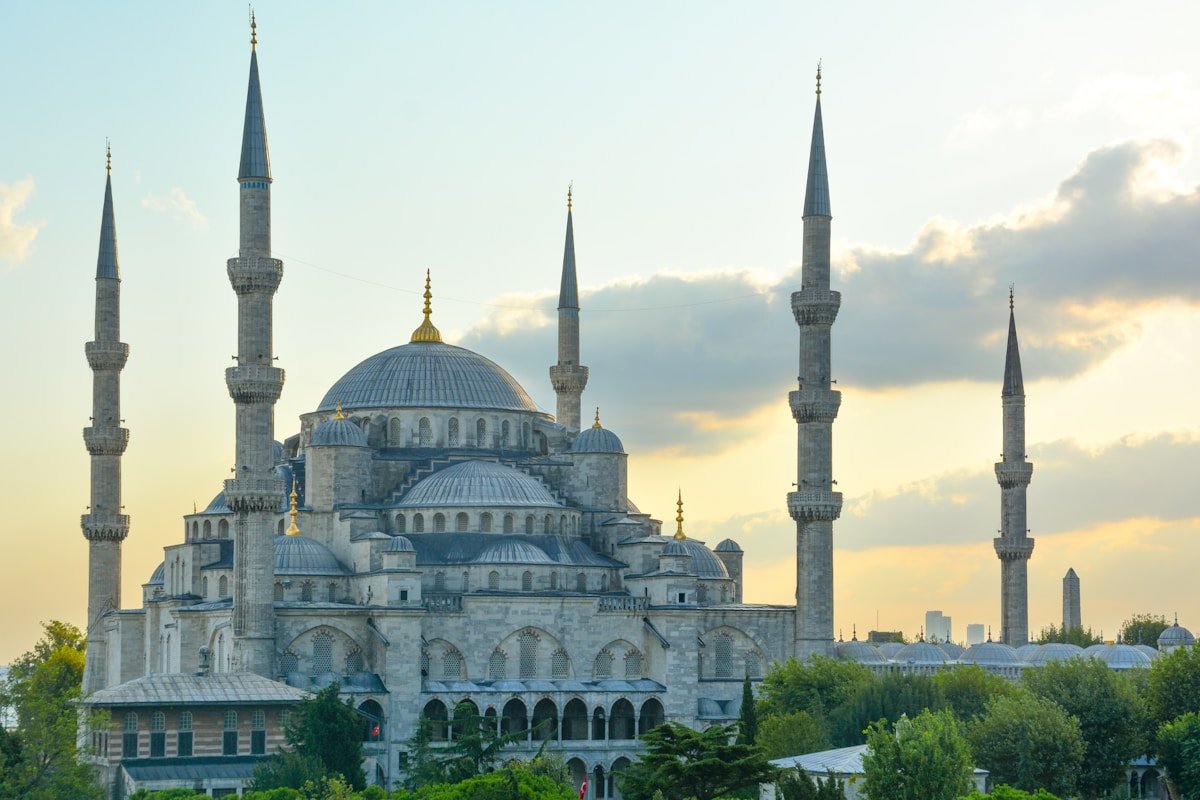
Visit the mosques: Istanbul's imperial mosques are free to enter (a modest dress code applies — headscarves for women are usually available at the entrance). The Blue Mosque (Sultan Ahmed Camii), Süleymaniye Mosque, Rüstem Paşa Mosque (with its stunning İznik tiles), and the New Mosque (Yeni Camii) at Eminönü are all open to visitors between prayer times. The Süleymaniye, perched on Istanbul's third hill, offers the finest views of any mosque — walk through its garden terrace for a panorama rivaling paid viewpoints.
Explore Balat and Fener: These neighboring districts along the Golden Horn are Istanbul's most photogenic streets — colorful Ottoman-era houses, crumbling Greek Orthodox churches, antique shops, and vibrant street art. No entrance fee, no crowds, no touts. Walk from Fener's red-brick Greek Orthodox school (the Rum Lisesi) through Balat's rainbow-painted lanes to the Chora Church area. Budget 2-3 hours.
Walk through Gülhane Park: The former outer garden of Topkapı Palace, now a public park with ancient trees, flower gardens, and views over the Bosphorus and Sea of Marmara. Free entry, peaceful atmosphere, and a welcome green escape from the intensity of Sultanahmet.
Kadıköy Market: The produce and fish market streets in Kadıköy are a sensory experience — vendors shouting, fish glistening on ice, mountains of spices and dried fruits. Browse without buying and you still leave enriched. If you do shop, Turkish delight and spices are significantly cheaper here than in the Grand Bazaar.
Watch the dervishes at Galata Mevlevihanesi: The Galata Mevlevi House sometimes hosts free or low-cost Sufi ceremonies. Check the schedule — when available, it is among Istanbul's most moving cultural experiences.
Under 200 TRY ($6)
Bosphorus ferry ride (20 TRY): Take the regular commuter ferry from Eminönü to Kadıköy. Same water, same views as the tourist cruise, one-tenth the price.
Galata Tower exterior and neighborhood (free): You can pay 200 TRY to go up the tower, but the views from the streets around its base are nearly as good. Save the money and get your panoramic views from the Süleymaniye terrace or Pierre Loti café instead.
Spice Bazaar (free to browse): The Egyptian Bazaar at Eminönü is smaller and less aggressive than the Grand Bazaar. Wander through the aromatic corridors, sample Turkish delight and dried fruits offered by vendors, and buy small bags of spices for 30-50 TRY each.
Pierre Loti cable car and café: Take the TF2 cable car from Eyüp to Pierre Loti hill (standard Istanbulkart fare). The café terrace overlooks the entire Golden Horn — one of Istanbul's finest views. A Turkish coffee here costs 50-70 TRY. Combined with a visit to the Eyüp Sultan Mosque (free), this makes an excellent budget half-day.
Paid Attractions: What Is Worth the Money
Not every paid attraction in Istanbul justifies its price tag when you are on a budget. Here is an honest ranking of what is worth paying for and what you can skip.
Must-Pay
Hagia Sophia (free for worship, museum sections vary): As a functioning mosque since 2020, entry to the main prayer hall is free. The upper gallery and museum sections may require tickets during certain hours — check current access policies. Either way, seeing the interior of this 1,500-year-old architectural miracle costs nothing to enter for prayer or contemplation.
Topkapı Palace (750 TRY / ~$23): The palace complex is worth full price. Budget 3-4 hours to explore the courtyards, the Harem (separate ticket, 400 TRY), the treasury, and the views over the Bosphorus confluence. Go early in the morning to avoid tour groups.
Basilica Cistern (450 TRY / ~$14): The underground water reservoir with its 336 marble columns and Medusa heads is unlike anything else in the city. The visit takes 30-45 minutes. The atmospheric lighting and music installations make it an immersive experience that justifies the ticket.
Worth It If Budget Allows
Istanbul Archaeology Museum (200 TRY / ~$6): Three buildings housing artifacts from across the Ottoman Empire and ancient civilizations. The Alexander Sarcophagus alone is worth the admission. Often overlooked by tourists, meaning you can explore without crowds.
Dolmabahçe Palace (500 TRY / ~$15): Opulent Ottoman palace on the Bosphorus waterfront. The crystal staircase and 4.5-ton Bohemian crystal chandelier are jaw-dropping. Guided tours only, which keeps the experience organized but also means you cannot linger.
Skip and Save
Galata Tower (200 TRY / ~$6): The views are good but not dramatically better than free alternatives. The queue can stretch to 45 minutes during peak season. The streets around the tower base and nearby rooftop cafés provide similar panoramas for the price of a tea.
Private Bosphorus cruises (400-800 TRY): The public Şehir Hatları ferry provides the same route and views for 120 TRY with an Istanbulkart. Save the difference for dinner.
Money-Saving Strategies
Currency and Payment
Always pay in Turkish lira, never in dollars or euros. Shops and restaurants that accept foreign currency use unfavorable exchange rates, adding 10-20% to your costs. Withdraw lira from ATMs using a no-foreign-transaction-fee debit card (Wise, Revolut, and Charles Schwab are popular choices among travelers). Avoid airport exchange bureaus — the rates are predatory. The best exchange rates are found at döviz offices in Eminönü and the Grand Bazaar.
Museum Pass Istanbul
If you plan to visit multiple museums, the Museum Pass Istanbul (1,500 TRY / ~$45) covers Topkapı Palace, Hagia Irene, Istanbul Archaeology Museums, Turkish and Islamic Arts Museum, and several others. It pays for itself if you visit Topkapı Palace plus two other included museums. Valid for 5 days. Available at any participating museum ticket office or online.
Eat Where Workers Eat
The simplest rule for budget eating in Istanbul: if a restaurant has a line of construction workers, taxi drivers, or office employees at lunch, the food is good and cheap. These places do not advertise. They do not have English menus. They serve one or two daily specials, fast, at rock-bottom prices. The streets behind the Spice Bazaar, the Fatih neighborhood, and the backstreets of Beşiktaş are rich hunting grounds.
Free Walking Tours
Several companies offer free walking tours of Sultanahmet, Beyoğlu, and the Asian side. The guides work on tips, so you pay what you think the tour was worth. A solid 2-3 hour tour with local context and insider tips is worth 200-300 TRY in tips — less than any paid tour, and often better quality because the guides are incentivized to be excellent.
Sample Budget Day: Under $35
Here is a real day I have done in Istanbul for under 1,150 TRY ($35):
8:00 AM: Simit and tea from a Taksim street cart (35 TRY).
9:00 AM: Walk down İstiklal Avenue to Galata Tower neighborhood. Browse vintage shops and photograph the tower from below (free).
10:30 AM: Walk across Galata Bridge to Eminönü. Browse the Spice Bazaar (free). Buy 100g of Turkish delight from a vendor (40 TRY).
11:30 AM: Walk to Sultanahmet. Visit Hagia Sophia (free) and the Blue Mosque (free). Sit in the Hippodrome park.
1:00 PM: Lunch at a lokanta near the Grand Bazaar — soup, chicken stew, rice, bread (150 TRY).
2:00 PM: Walk through the Grand Bazaar (free to browse). Practice your haggling on items you do not intend to buy — the banter is entertainment itself.
3:30 PM: Walk uphill to Süleymaniye Mosque (free). Spend 30 minutes in the mosque, 30 minutes on the terrace with its Golden Horn panorama.
5:00 PM: Take the T1 tram from Eminönü to Kabataş (20 TRY). Ferry from Kabataş to Kadıköy (20 TRY).
5:30 PM: Explore Kadıköy market streets (free). Walk through Moda neighborhood to the seaside promenade.
7:00 PM: Dinner at a Kadıköy meyhane — shared mezes and a grilled fish (350 TRY per person).
9:00 PM: Ferry back to Eminönü at night — city skyline glittering across the water (20 TRY). Tea on the ferry (15 TRY).
9:30 PM: T1 tram to Kabataş, F1 funicular to Taksim (40 TRY total).
Total: 690 TRY ($21). And this was a great day.
Where to Stay on a Budget — and When to Splurge
Budget accommodation in Istanbul ranges from 500-800 TRY/night ($15-$24) for hostels and basic guesthouses to 1,500-3,000 TRY ($45-$91) for comfortable mid-range hotels. The best budget areas are Sultanahmet (walkable to major sights), Fatih (authentic neighborhood feel, excellent lokantas), and Kadıköy on the Asian side (cheaper than European side, great food scene).
If you are traveling with a group of 4-6 people, do the math on a luxury apartment versus multiple hotel rooms. A property like Taksim 360 Istanbul in the heart of Beyoğlu, split among a group, can work out to competitive per-person rates while giving you a full kitchen (massive savings on breakfast and snacks), a living room to relax in, and panoramic city views that no budget hotel can match. The kitchen alone saves 200-400 TRY per person per day on meals.
Frequently Asked Questions
Is $50 a day realistic for Istanbul in 2026?
Absolutely. $50 USD (approximately 1,650 TRY) covers transportation, food, and 1-2 paid attractions comfortably. On days focused on free attractions — mosques, market browsing, neighborhood walks, and ferry rides — you can easily stay under $30. The biggest variable is food: eating at tourist restaurants in Sultanahmet can blow the budget, while lokantas and street food keep costs minimal.
What is the cheapest way to eat in Istanbul?
Lokantas (self-service restaurants) offer full meals for 120-180 TRY ($3.60-$5.50). Simit carts sell sesame bread for 15-25 TRY. Street food like döner wraps (80-120 TRY), lahmacun (40-60 TRY), and börek from bakeries (50-80 TRY) are all filling and inexpensive. Avoid any restaurant with a tout outside — they charge 3-5x local prices.
Are Istanbul's mosques free to visit?
Yes, all mosques in Istanbul are free to enter. This includes the Blue Mosque, Süleymaniye Mosque, and others. Visitors should dress modestly (covered shoulders and knees), remove shoes, and avoid visiting during prayer times. Women should cover their hair — headscarves are usually available at the entrance for free.
Is the Museum Pass Istanbul worth buying?
If you plan to visit Topkapı Palace (750 TRY) plus the Archaeology Museum (200 TRY) and one or two other included museums, the 1,500 TRY pass pays for itself. It also lets you skip ticket queues at popular sites. If you only plan to see 1-2 museums, individual tickets are cheaper.
How much should I tip in Istanbul?
Tipping is appreciated but not obligatory in most settings. At sit-down restaurants, 10% is generous. At lokantas and casual eateries, rounding up the bill is sufficient. Taxi drivers do not expect tips — round up to the nearest 10 TRY if you like. For free walking tours, 200-300 TRY per person is fair for a good guide.
Is Istanbul safe for budget travelers?
Istanbul is generally very safe for tourists, including solo travelers and women. Petty crime like pickpocketing exists in crowded areas (Grand Bazaar, İstiklal Avenue, Sultanahmet) — use common sense with valuables. The main budget-traveler risk is not crime but overcharging: taxi scams, inflated restaurant bills, and carpet shop pressure sales. Use BiTaksi, eat where locals eat, and say "hayır, teşekkürler" (no, thank you) firmly to persistent shopkeepers.
What is the best neighborhood for budget accommodation?
Fatih offers the best value — authentic neighborhood feel, excellent cheap restaurants, and walkable distance to Sultanahmet sights. Kadıköy on the Asian side is slightly cheaper still, with a vibrant food scene, but requires a ferry crossing (20 TRY) to reach European-side attractions. Sultanahmet itself has budget guesthouses but restaurant prices are inflated for tourists.
Can I drink tap water in Istanbul?
Istanbul's tap water is technically treated and safe, but most locals and all visitors drink bottled or filtered water due to aging pipes that affect taste and potentially introduce contaminants. A 1.5-liter bottle costs 12-18 TRY from a grocery store (bakkal) or convenience shop. Buy from shops rather than tourist kiosks, which charge double.
What free apps help budget travelers in Istanbul?
Google Maps for transit routing and restaurant reviews. BiTaksi for fair-priced taxi rides. XE Currency for real-time lira conversion. Moovit for public transit schedules. Google Translate with Turkish downloaded for offline use — the camera translation feature reads menus and signs instantly.
Is haggling expected in Istanbul?
In the Grand Bazaar, Spice Bazaar, and street markets — yes, haggling is expected and part of the culture. Start at 40-50% of the asking price and work toward 60-70%. In shops with fixed prices, restaurants, supermarkets, and museums — no, prices are firm. Never haggle in a lokanta or café.


