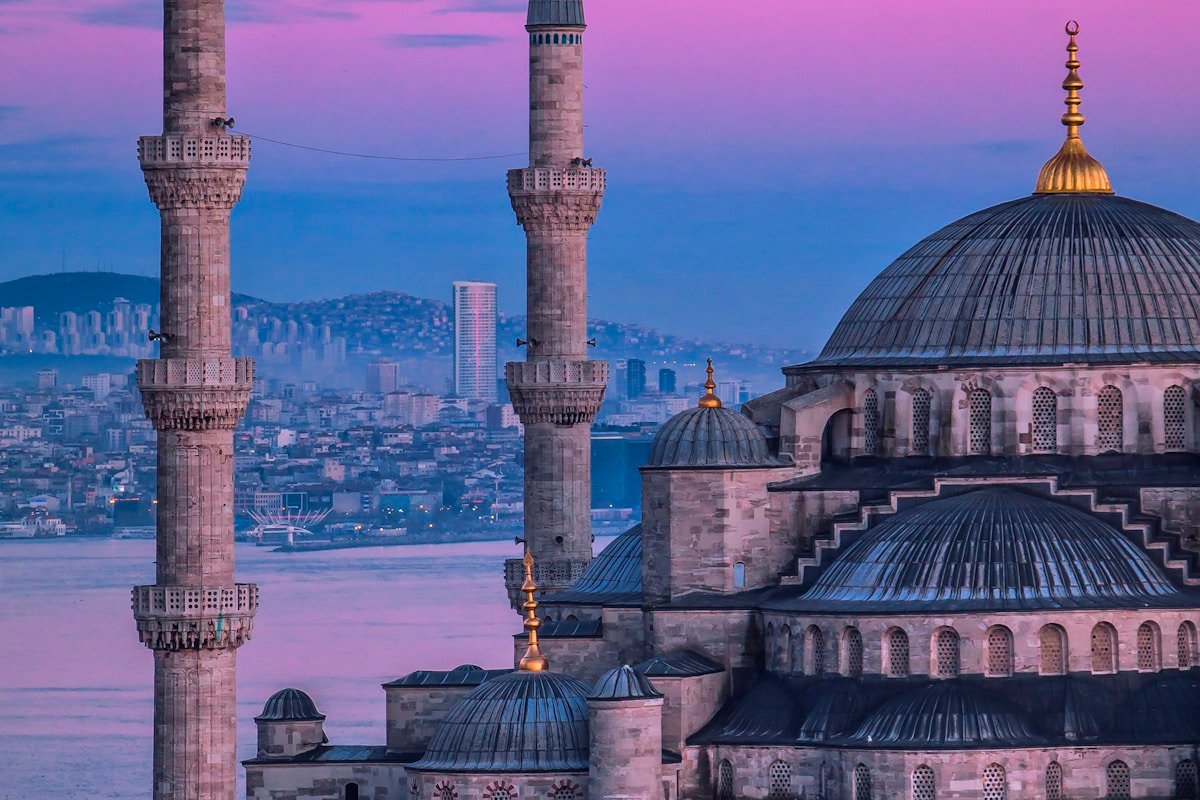
Kadıköy Guide: Istanbul's Coolest Asian-Side Neighborhood
If the European side of Istanbul is the city's grand stage — all Ottoman palaces, tourist-packed bazaars, and monumental mosques — then Kadıköy is where Istanbul lets its hair down. This sprawling Asian-side neighborhood is where young Istanbulites come to browse vinyl records, argue about coffee roasts, eat the city's best street food, and drink craft beer in bars decorated with protest art. It's Istanbul's Brooklyn, its Kreuzberg, its Shoreditch — except with 3,000 years of history underneath and a ferry ride across one of the world's most beautiful waterways to get there.
Most visitors to Istanbul never cross the Bosphorus, and that's a mistake. Kadıköy — and its seaside sub-neighborhood Moda — offers a side of Istanbul that no amount of Old City sightseeing can reveal: the creative, progressive, stubbornly independent spirit of a city that has always been more than its monuments.
Getting to Kadıköy
By Ferry — The Only Way to Arrive
Technically, you could take the Marmaray metro tunnel or drive across a bridge. Don't. The ferry from Eminönü or Karaköy to Kadıköy is one of Istanbul's essential experiences — a 20-minute crossing of the Bosphorus that costs just 17 TL ($0.50) with an Istanbulkart. The views from the upper deck encompass the entire European-side skyline: Topkapı Palace, Hagia Sophia, the Galata Tower, and the minarets of the Süleymaniye Mosque.
Ferries depart every 15-20 minutes from Eminönü (Pier 1 or 2) and Karaköy. The last ferry back varies seasonally but runs until 11 PM or later. Buy an Istanbulkart at any kiosk near the ferry terminals — it works on all Istanbul public transport.
As you approach the Kadıköy pier, the neighborhood announces itself: a waterfront promenade buzzing with activity, fish restaurants lining the dock, and the sound of Turkish pop music drifting from open windows. Step off the ferry and you're immediately in the thick of it.
By Marmaray Metro
The Marmaray rail tunnel connects Sirkeci (European side) to Ayrılık Çeşmesi station, a 15-minute walk from central Kadıköy. It's faster (4 minutes vs 20) but utterly lacks the romance of the ferry. Use it when you're in a hurry or the weather is terrible.
What to See and Do in Kadıköy
Kadıköy Market (Çarşı)
The beating heart of the neighborhood is its market district — a dense grid of streets and alleys packed with fishmongers, spice vendors, cheese shops, pickle sellers, butchers, bakers, and everything in between. This is not a tourist market. Kadıköy Çarşı is where locals shop for their daily groceries, and the quality and variety reflect that.
Must-visit stalls and shops:
- Baylan Pastanesi: Operating since 1923, Baylan is Istanbul's oldest patisserie. Their signature "Kup Griye" (a sundae of profiteroles, ice cream, caramel, and nuts) has been made the same way for a century. The Art Deco interior is worth the visit alone
- Kadıköy Fish Market: A covered area within the market where fishmongers display the day's catch on ice — sea bass, bluefish, turbot, mussels, shrimp — with theatrical salesmanship. Several small restaurants inside will cook your chosen fish on the spot
- Şekerci Cafer Erol: A legendary sweet shop specializing in lokum (Turkish delight), akide (hard candy), and helva. Family-run since 1807 — yes, over two centuries
- Olive oil and cheese vendors: Turkey's diverse regional cheeses and cold-pressed olive oils are showcased at specialist vendors. Taste before you buy — vendors expect it
Street Art and Murals
Kadıköy has emerged as Istanbul's street art capital. The neighborhood's narrow streets, especially along Yeldeğirmeni and the backstreets behind the market, are covered in murals ranging from political statements to psychedelic fantasies. The Kadıköy Municipality has actively encouraged street art through sanctioned projects, resulting in an open-air gallery that evolves constantly.
Notable murals include large-scale works on Caferağa Mahallesi buildings, the colorful staircase on Moda Caddesi (each riser painted a different color in a rainbow pattern), and politically charged pieces in Yeldeğirmeni that address everything from environmental destruction to women's rights. Several walking tour operators run street art tours — or simply wander and discover.
Moda — The Seaside Extension
Walk south along the waterfront from the Kadıköy ferry terminal for 15 minutes and you'll reach Moda, Kadıköy's more residential, tree-lined seaside sub-neighborhood. Moda's gentle slopes down to the Marmara Sea are lined with early 20th-century apartment buildings, independent cafes, and boutique shops.
Moda Sahili (Moda Coastline): A 2-kilometer paved waterfront promenade perfect for evening walks. Benches face the Sea of Marmara with the Princes' Islands visible on the horizon. At sunset, the entire neighborhood seems to gather here — couples, families, groups of friends with guitars, elderly men fishing from the rocks.
Moda Çay Bahçesi (Tea Garden): A waterfront tea garden at the tip of the Moda peninsula, serving çay (tea) and simple snacks with panoramic sea views. It's one of the most peaceful spots in all of Istanbul — a place where you can sit for hours, watching ferries cross the strait, for the price of a glass of tea.
Vintage and Record Shopping
Kadıköy is Istanbul's vintage capital. Dozens of secondhand shops line Güneşlibahçe Sokak and the surrounding streets, selling everything from 1970s denim jackets to Ottoman-era postcards, vintage Turkish movie posters, vinyl records, and antique cameras.
Key shops:
- Kadıköy Vinyl: A curated record shop specializing in Turkish psychedelic rock, Anatolian folk, and rare pressings. The owner's knowledge of Turkish music history is encyclopedic
- Eski Eşya Çarşısı: An antique market in the backstreets with stalls selling everything from Ottoman coins to mid-century furniture
- Güneşlibahçe Sokak: The main vintage shopping street — an entire block of secondhand clothing, accessories, and curiosities
Craft Coffee and Third-Wave Cafes
Istanbul's specialty coffee revolution started in Kadıköy, and the neighborhood remains the city's caffeine epicenter. Within a five-minute walk of the ferry terminal, you'll find a dozen or more third-wave coffee shops roasting their own beans and pulling perfect shots.
Walter's Coffee Roastery: Inspired by Breaking Bad (the decor features Walter White references), this roastery serves excellent single-origin pour-overs and espresso drinks. The beans are roasted on-site.
Kronotrop: One of Istanbul's first specialty coffee roasters, Kronotrop's Kadıköy branch is a bright, minimalist space where baristas take their craft seriously. The seasonal single-origin menu rotates regularly.
Montag Coffee Roasters: A newer arrival with a focus on ethical sourcing and precise brewing methods. Their cold brew is among the best in the city.
Where to Eat in Kadıköy
Street Food
Çiya Sofrası: Arguably the most important restaurant in Istanbul. Chef Musa Dağdeviren has spent decades researching and preserving endangered Anatolian recipes, and his Kadıköy restaurant serves dishes you won't find anywhere else — not even in the regions they originally come from. The kebab counter, the hot buffet of Southeastern Anatolian home cooking, and the cold meze selection are all exceptional. It's been featured in Netflix's "Chef's Table" and in the New York Times. Expect to spend 200-400 TL ($6-12) per person.
Borsam Taş Fırın: A tiny bakery turning out lahmacun (thin-crust Turkish flatbread with spiced meat) that locals consider the best on the Asian side. The lines during lunch tell you everything. 30-50 TL per lahmacun.
Kadıköy İskele Balıkçısı: Fresh fish sandwiches (balık ekmek) at the ferry terminal. Grilled mackerel or sea bass in fresh bread with lettuce, onion, and a squeeze of lemon — 80-120 TL and worth every kuruş.
Sit-Down Restaurants
Cibalikapı: A waterfront meyhane (traditional Turkish tavern) near Moda serving excellent mezes and raki. The fried calamari, topik (Armenian chickpea appetizer), and grilled octopus are standouts. Dinner with raki runs 500-800 TL per person.
Şeref Büryan: A specialist in büryan kebab — lamb slow-roasted for 12+ hours in an underground pit, a technique from Siirt in Southeastern Turkey. Simple, focused, and devastatingly good. 150-250 TL per person.
Kadıköy Nightlife
Kadıköy's bar scene is younger, louder, and more alternative than the European side's polished lounges. The neighborhood's Barlar Sokağı (Bar Street) — officially Kadife Sokak — is a narrow lane lined with live music venues, dive bars, and cocktail spots. On weekends, the street fills with young Istanbulites drinking Efes, listening to Turkish rock and indie music, and spilling out onto the sidewalks.
Karga Bar: A Kadıköy institution with live music, art exhibitions, and a rooftop terrace. The crowd is creative — musicians, artists, students, writers. Drink prices are reasonable (beer 80-120 TL, cocktails 150-250 TL).
Arkaoda: A multi-floor venue combining a bar, live music stage, bookshop, and cultural space. Programming ranges from jazz to electronica to poetry readings. It captures Kadıköy's eclectic spirit perfectly.
Viktor Levi: A wine bar and şarapevi (wine house) specializing in Turkish wines. The terrace overlooks a leafy garden, and the atmosphere is relaxed and conversational — Kadıköy's antidote to thumping nightclub culture.
After a night out in Kadıköy, the last ferry back to the European side is a ritual in itself — the illuminated skyline of the Old City growing larger as you approach, the wind coming off the Bosphorus, the lingering taste of raki. Make sure you don't miss it (and have a taxi number handy in case you do). Return to your Taksim 360 apartment for panoramic views that make the perfect nightcap.
Day Trip Extension: Princes' Islands
From the Kadıköy ferry terminal, ferries also depart for the Princes' Islands (Adalar) — a car-free archipelago in the Sea of Marmara where horse-drawn carriages have been replaced by electric vehicles and bicycles. Büyükada, the largest island, makes an excellent half-day escape: Victorian mansions, pine forests, monastery trails, and fresh fish restaurants on the harbor.
Frequently Asked Questions
How do I get from Taksim to Kadıköy?
The most scenic route: take the funicular from Taksim to Kabataş (2 min), then walk to the Kabataş ferry terminal and catch a ferry to Kadıköy (20 min). Total time: about 30 minutes. The Marmaray metro from Sirkeci is faster but less interesting. A taxi takes 30-45 minutes depending on bridge traffic and costs 200-350 TL.
Is Kadıköy safe for tourists?
Yes. Kadıköy is one of Istanbul's safest neighborhoods. The streets are lively until late at night, and the local population is welcoming and cosmopolitan. Standard urban precautions apply — be aware of your belongings in crowded market areas — but violent crime targeting tourists is extremely rare.
How much time should I spend in Kadıköy?
A minimum of half a day — ferry over in the morning, explore the market, have lunch at Çiya Sofrası, walk to Moda for coffee and sunset. A full day allows you to add vintage shopping, street art exploration, and dinner at a meyhane. Two days lets you incorporate a Princes' Islands trip from the Kadıköy pier.
What is the best day to visit Kadıköy market?
Tuesday and Friday are the traditional market days when the greatest variety of fresh produce is available. Saturday mornings are lively but crowded. Sundays are quieter — some stalls close, but the main shops and restaurants remain open. Avoid Monday if possible, when several market vendors take their day off.
Where is the best street food in Kadıköy?
The market area (Çarşı) concentrates the best street food within a few blocks: lahmacun at Borsam Taş Fırın, kokoreç (grilled offal wrap) along Güneşlibahçe Sokak, balık ekmek (fish sandwich) at the ferry terminal, midye dolma (stuffed mussels) from cart vendors, and the legendary Kup Griye dessert at Baylan Pastanesi.
Is Kadıköy good for nightlife?
Kadıköy has Istanbul's best alternative nightlife scene. Kadife Sokak (Bar Street) offers a concentrated strip of live music venues, cocktail bars, and pubs. The vibe is younger and more bohemian than Beyoğlu. Nights get going around 10 PM and continue until 3-4 AM on weekends. Most bars don't charge cover.
Can I take a ferry from Kadıköy to the Princes' Islands?
Yes. İDO and Şehir Hatları ferries operate regular service from Kadıköy to Büyükada and the other Princes' Islands. The journey takes 45-70 minutes depending on the route and island. Ferries run frequently in summer, less so in winter. Use your Istanbulkart for payment.
What makes Kadıköy different from the European side of Istanbul?
Kadıköy is more residential, creative, and locally oriented. While the European side's Sultanahmet and Beyoğlu districts cater heavily to tourism, Kadıköy's shops, restaurants, and cultural spaces serve Istanbulites first. Prices are generally lower, crowds thinner, and the atmosphere more authentically "everyday Istanbul." The trade-off is fewer monumental historical sites — but that's precisely the point.
Where can I find the best coffee in Kadıköy?
Kadıköy is Istanbul's specialty coffee hub. Top picks: Kronotrop (pioneer of Turkish third-wave coffee), Walter's Coffee Roastery (excellent single-origins in a fun environment), Montag Coffee Roasters (ethically sourced, precisely brewed), and Coffee Sapiens (minimalist space, exceptional espresso). All are within walking distance of the ferry terminal.
Is Kadıköy good for shopping?
For vintage clothing, vinyl records, antiques, and independent boutiques — yes, Kadıköy is outstanding. For luxury brands and mainstream shopping, stay on the European side (Nişantaşı or İstinye Park). Kadıköy's charm is in its independent, eclectic retail — the kind of shops where you discover things you didn't know you wanted.


