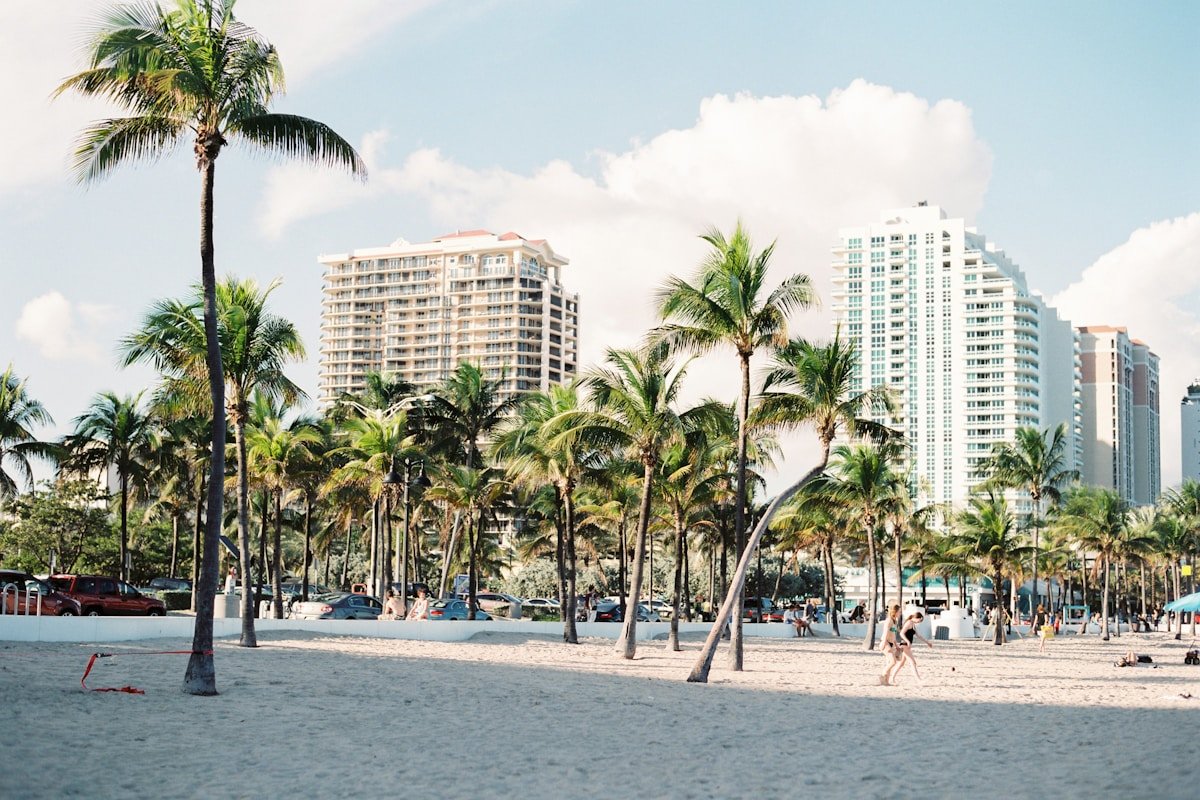
Miami in Summer: Is It Worth Visiting?
Every travel destination has its off-season debate, and Miami's version centers on a simple question: is it worth visiting in summer? The honest answer — not the promotional answer or the dismissive answer, but the genuine assessment based on actually spending time in Miami between June and September — is yes, with caveats. Summer Miami is a fundamentally different experience from winter Miami. Some of those differences work in your favor. Others require adaptation, planning, and a tolerance for heat that not everyone possesses.
This guide gives you the unvarnished truth about summer in Miami: the weather (it is hot — genuinely, relentlessly hot), the pricing (dramatically cheaper across the board), the crowds (sparse by Miami standards), the hurricanes (real but manageable with planning), and the activities that make summer Miami a worthwhile trip for the right traveler.
Summer Weather in Miami: What You Are Actually Getting Into
Temperature and Humidity
Miami summer temperatures are remarkably consistent: daytime highs of 88 to 92 degrees Fahrenheit (31 to 33 Celsius) from June through September, with overnight lows that rarely drop below 76 to 79 degrees (24 to 26 Celsius). The heat index — what it actually feels like when you factor in humidity — frequently reaches 100 to 105 degrees Fahrenheit (38 to 41 Celsius) during afternoon hours. This is not dry desert heat. This is thick, wet, subtropical humidity that wraps around you like a warm towel the moment you step outside.
The humidity is the real story, not the temperature. Relative humidity averages 70 to 80 percent throughout summer, making the air feel significantly hotter than the thermometer reads. Walking from an air-conditioned building into the outdoor air produces an immediate, full-body perspiration response. Your sunglasses fog up. Your phone screen gets slippery. Your carefully styled hair surrenders within minutes. If you have never experienced sustained tropical humidity, be prepared for a physical adjustment period of one to two days.
Afternoon Thunderstorms
Miami's summer weather follows a predictable daily pattern. Mornings are hot, sunny, and relatively pleasant (the best time for outdoor activities). Around 2 to 4 PM, towering cumulus clouds build rapidly over the Everglades and push eastward toward the coast. What follows is a 30 to 60 minute thunderstorm of startling intensity — torrential rain, dramatic lightning, and occasionally small hail. These storms are not gentle drizzles. They are full-commitment meteorological events that dump an inch of rain in 20 minutes and produce lightning that lights up the entire sky.
The good news: they are brief and predictable. By 4:30 or 5 PM, the storm has typically passed, the air smells freshly rinsed, temperatures drop five to eight degrees, and the evening is surprisingly pleasant. Many long-term Miami residents consider the daily thunderstorm a feature rather than a bug — it breaks the heat, cleans the air, and produces some of the most spectacular sunsets you will ever see.
Plan outdoor activities for mornings and evenings. Use the 2 to 4 PM window for indoor activities — museums, shopping, hotel pools, or simply a siesta in your air-conditioned accommodation.
Hurricane Season
Atlantic hurricane season runs from June 1 through November 30, with peak activity in August, September, and the first half of October. This does not mean Miami will be hit by a hurricane during your visit — the statistical probability of a hurricane making direct landfall in any given South Florida location during any given week is low. But it does mean you should monitor weather forecasts, purchase travel insurance that covers weather-related disruptions, and have a flexible itinerary.
Tropical storms and hurricanes give days of advance warning via weather forecasting. You will not be surprised. If a storm threatens, airlines waive change fees, hotels honor cancellations, and the entire city goes into a well-practiced preparation routine. The real risk is not danger — it is disruption. A tropical storm can cancel beach days, close attractions, and turn a five-day trip into a three-day trip with two days of rain.
Travel insurance is non-negotiable for summer Miami trips. Policies costing $30 to $80 can cover trip cancellation, interruption, and delay caused by named storms. This is not paranoia — it is basic financial protection for a reasonably foreseeable scenario.
The Pros of Summer Miami
Dramatically Lower Prices
Summer pricing in Miami is genuinely impressive. Hotel rooms that command $350 to $500 per night during winter high season drop to $120 to $200. Vacation rentals follow similar discounts, with properties on South Beach offering 40 to 60 percent reductions from January rates. Flights from major US cities are typically $100 to $200 cheaper round trip. Restaurant reservations — impossible to get in February — are available on short notice or walk-in.
The cumulative savings are substantial. A five-night winter trip to South Beach that costs $3,000 to $4,000 total (flights, accommodation, dining, activities) can be replicated in summer for $1,500 to $2,500. That is enough savings to upgrade your accommodation, eat at better restaurants, or simply pocket the difference.
Fewer Crowds
Summer Miami is noticeably less crowded than the winter version. South Beach, which can feel overwhelming from December through March, relaxes into a more spacious, more local-feeling destination. Beach towel space is abundant. Restaurant tables are available. Traffic on the causeways, while never absent, is manageable. The vibe shifts from frenetic international party destination to relaxed subtropical city where locals reclaim their own turf.
This crowd reduction is especially noticeable at attractions. The Perez Art Museum, Vizcaya, and the Wynwood Walls — all of which involve outdoor queuing during peak season — are comfortably accessible in summer. You can spend time with individual artworks or architectural details that are difficult to appreciate when you are jostling for space with tour groups.
Warm Ocean Water
The ocean temperature off Miami Beach reaches 84 to 87 degrees Fahrenheit (29 to 31 Celsius) in summer — bathtub warm and extraordinarily pleasant. Winter ocean temperatures (72 to 75 degrees) are swimmable but noticeably cooler. If ocean swimming is a priority, summer delivers the most comfortable water of the year. Visibility tends to be good, and the calm summer seas (outside of storm events) are ideal for snorkeling, paddleboarding, and kayaking.
Local Culture Emerges
When the tourists thin out, Miami's local identity comes forward. Summer events — outdoor movie screenings, neighborhood block parties, food truck gatherings, salsa nights in Little Havana — cater to residents rather than visitors. You are more likely to have genuine conversations with locals, discover neighborhood bars and restaurants that do not appear in guidebooks, and experience Miami as a living city rather than a tourism product. This cultural authenticity is one of summer Miami's most underappreciated assets.
The Cons of Summer Miami
The Heat Is Real
There is no sugarcoating this: Miami summer heat limits your outdoor tolerance. Extended beach time requires shade, hydration, and sun protection. Walking tours become uncomfortable after 30 to 40 minutes. Even the short walk from an air-conditioned restaurant to an air-conditioned car involves enough sun exposure to leave you damp. If you dislike heat, are uncomfortable with sweating, or have health conditions exacerbated by high temperatures, summer Miami is not for you.
Afternoon Storm Disruptions
While the daily thunderstorms are brief, they can disrupt plans. Boat tours, outdoor festivals, and beach activities get canceled or paused. If your entire itinerary is outdoor-dependent, summer requires a flexible mindset and indoor backup plans. On rare occasions, storms persist into the evening or storms arrive earlier than usual, shortening the window for outdoor activity further.
Some Attractions Scale Back
A few attractions and restaurants reduce hours or close entirely during summer. Some smaller galleries in Wynwood close for the season. A handful of restaurants take summer breaks for renovation. Major attractions (museums, parks, the beach) remain fully operational, but the overall density of things happening is lower than during winter's packed event calendar.
Mosquitoes
Summer rainfall and standing water create breeding conditions for mosquitoes, which are more abundant and aggressive from June through October than during the drier winter months. They are particularly active around dawn and dusk. Bring insect repellent containing DEET or picaridin, and apply it if you plan to be outdoors during twilight hours. The beach itself is typically mosquito-free due to ocean breezes, but inland areas — Wynwood, Little Havana, residential neighborhoods — can be noticeably buggy.
Best Summer Activities in Miami
Morning Beach Time
Hit the beach between 7 and 11 AM. The sand is cool, the sun is intense but not yet at its punishing midday peak, and the water is warm and calm. This is prime swimming, snorkeling, and paddleboarding time. By 11:30, the heat starts to build toward uncomfortable, and smart beachgoers begin migrating toward shade, pools, or air conditioning.
Pool Days
Summer is pool season in Miami. Hotel and resort pools that are packed during winter become pleasantly spacious. Several hotels offer day passes for non-guests ($25 to $75) — a good option if your accommodation lacks a pool. The rooftop pools at hotels like the 1 Hotel, the Setai, and the Confidante offer views, cocktail service, and a controlled environment that the beach cannot match during a thunderstorm.
Indoor Cultural Attractions
Use the hot afternoon hours for Miami's air-conditioned cultural attractions. The Perez Art Museum Miami (PAMM), the Frost Museum of Science, Vizcaya Museum and Gardens (the interior, at least — the gardens are baking in summer), the ICA Miami, and the Bass Museum of Art all provide hours of engagement in comfortable temperatures. The Adrienne Arsht Center and other performing arts venues run summer programming as well.
Evening Dining and Nightlife
Summer evenings in Miami, after the daily thunderstorm passes, are genuinely pleasant. Temperatures drop to the low 80s, a breeze comes off the ocean, and outdoor dining becomes comfortable again. This is the time to walk Lincoln Road, sit at a sidewalk cafe on Espanola Way, or have dinner at a waterfront restaurant in Coconut Grove. The nightlife scene continues year-round — clubs and bars in South Beach, Wynwood, and Brickell operate at full capacity even in July and August, with shorter lines and easier access than during peak season.
Day Trips
Summer is an excellent time for day trips from Miami. The Florida Keys are warm but beautiful, with fantastic snorkeling conditions and fewer tourists. The Everglades are lush and green, with abundant wildlife (including alligators at their most active). Key Biscayne offers a quieter beach alternative with a state park and historic lighthouse. All of these are best enjoyed with an early start, returning by mid-afternoon before the storms hit.
What to Pack for Summer Miami
Lightweight, breathable clothing in natural fabrics (cotton, linen) or moisture-wicking synthetics. Multiple changes of clothing per day if you are prone to sweating — you will use them. A good sun hat and quality sunglasses. Sunscreen SPF 50 or higher, applied liberally and frequently. A compact umbrella or light rain jacket for the afternoon storms. A refillable water bottle. Insect repellent. Comfortable walking shoes that handle wet surfaces (flip-flops are fine for the beach but slippery on wet pavement). And critically: a light cardigan or long sleeve layer for the aggressively air-conditioned interiors of restaurants, museums, and shopping malls. The temperature differential between outside (92 degrees) and inside (68 degrees) is jarring, and you will be cold indoors without a layer.
Frequently Asked Questions
Is Miami too hot in summer?
Miami summer heat (88 to 92 degrees Fahrenheit with high humidity) is intense and limits extended outdoor activity. However, the ocean is warm, mornings and evenings are pleasant, and daily thunderstorms break the heat each afternoon. With smart planning — outdoor activities in the morning, indoor activities midday, and outdoor dining in the evening — summer Miami is enjoyable. If you strongly dislike heat and humidity, consider visiting in November or May instead.
Is it cheaper to visit Miami in summer?
Significantly cheaper. Hotel rates drop 40 to 60 percent from winter highs, flights are $100 to $200 less, and restaurants are easier to book and sometimes run summer specials. A five-night South Beach trip that costs $3,000 to $4,000 in winter can be done for $1,500 to $2,500 in summer. The savings are substantial and consistent across every spending category.
Does it rain every day in Miami in summer?
Brief afternoon thunderstorms are common from June through September, typically occurring between 2 and 4 PM and lasting 30 to 60 minutes. They are intense but short. Mornings are almost always sunny, and evenings clear up after the storm passes. Full-day rain is rare in summer — it is much more typical of winter cold fronts. The storms are predictable and plannable.
Can you swim in Miami in summer?
Summer is the best time for swimming in Miami. Ocean temperatures reach 84 to 87 degrees Fahrenheit — warmer than a heated pool. The water is calm (outside of storm events), visibility is good, and the beach is less crowded than in winter. Morning swimming from 7 to 11 AM is ideal, before the midday heat becomes uncomfortable and before afternoon storms approach.
Should I worry about hurricanes if I visit Miami in summer?
Hurricane risk is real but manageable. The statistical probability of a hurricane affecting your specific trip is low. Storms give days of advance warning, airlines waive change fees during hurricane events, and travel insurance covers cancellations. The highest risk months are August and September. Purchase travel insurance ($30 to $80), monitor forecasts, and maintain a flexible itinerary. June and July have lower hurricane risk than late summer.
What is there to do in Miami when it rains?
Miami has excellent indoor options: the Perez Art Museum, Frost Museum of Science, ICA Miami, Bass Museum, Vizcaya interior, shopping at Bal Harbour Shops or Lincoln Road (covered sections), spa treatments, cooking classes, indoor markets, and the city's extensive restaurant and bar scene. The afternoon storms rarely last more than an hour — treat them as a built-in break for indoor exploration or a hotel pool swim in the warm rain.
Are Miami beaches crowded in summer?
Significantly less crowded than winter. South Beach in summer feels spacious and relaxed compared to the packed December-through-March scene. You will have no trouble finding beach space, even on weekends. North Beach and Mid-Beach are particularly quiet in summer. The main beachgoing window shifts earlier (7 to 11 AM) as locals and visitors avoid the midday heat.
What is the best summer month to visit Miami?
June offers the best combination of factors: summer pricing kicks in, hurricane risk is still low, the rainy pattern is not yet at peak intensity, and the heat, while strong, has not reached July and August's most extreme levels. Late June also marks the start of several summer festival and event series across the city. September offers the lowest prices but the highest hurricane risk.
Is Miami worth visiting in August?
August is Miami's hottest and most humid month, with the highest hurricane risk of the summer. It is also the cheapest month to visit. If you can tolerate extreme heat, are comfortable with hurricane season risk (mitigated by travel insurance), and want the deepest discounts, August works. Plan for heavily air-conditioned days with morning and evening outdoor windows. It is not the ideal introduction to Miami, but seasoned visitors who know the city enjoy its quietest, most local character in August.
Do I need a car in Miami in summer?
Generally no, especially if staying on South Beach. The free Miami Beach Trolley, walking, Citi Bike, and ride-sharing cover most needs. A car is useful for day trips to the Keys, Everglades, or Fort Lauderdale. Summer traffic is lighter than winter, so driving is less stressful if you do rent — but parking costs ($20 to $40 per day) still make a car an unnecessary expense for beach-focused trips.


