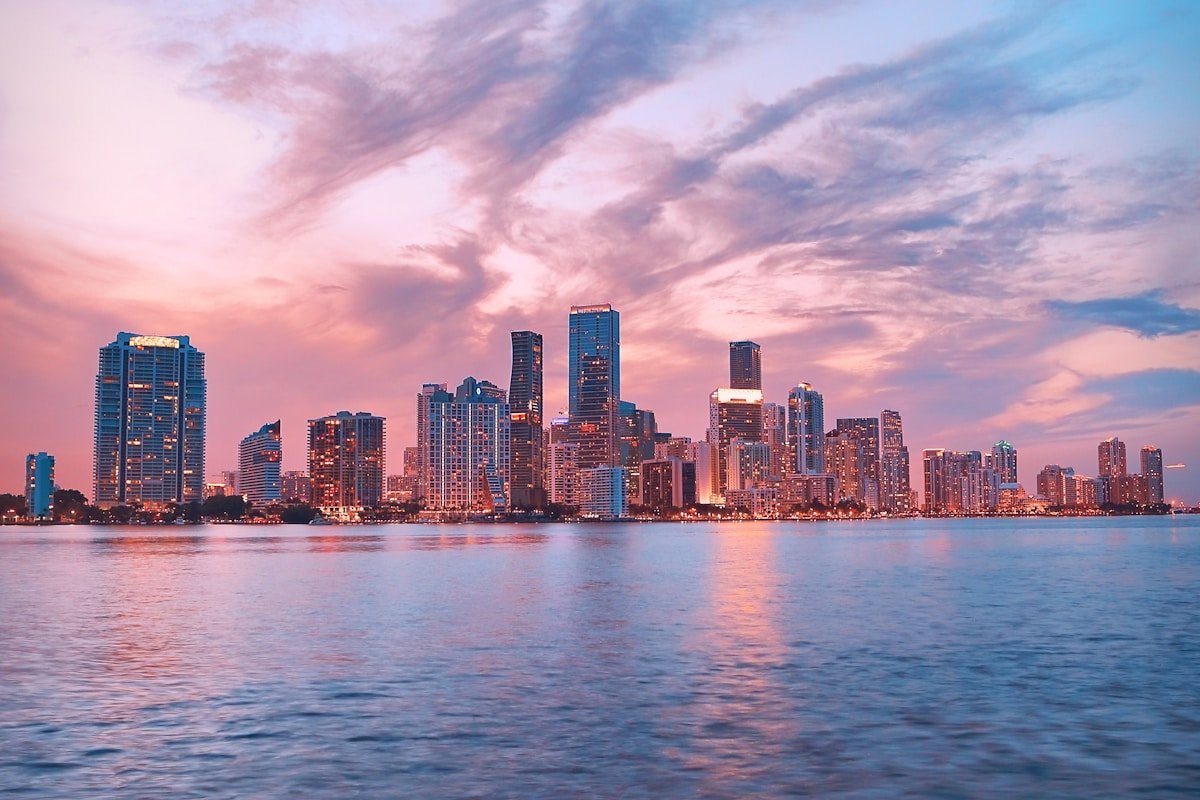
Miami on a Budget: How to Enjoy South Beach Without Breaking the Bank
Miami has a reputation problem when it comes to budgets. The city's marketing machine — all champagne-sprayed pool parties, waterfront penthouses, and $28 cocktails — creates the impression that Miami is exclusively a playground for the wealthy. This is both understandable and wrong. Yes, you can spend $500 on a bottle of vodka at LIV nightclub and $40 on a hotel parking spot. But you can also eat extraordinary Cuban food for $8, spend entire days on some of the most beautiful public beaches in the world for free, explore world-class street art without paying admission, and stay in well-located accommodation for a fraction of what the beachfront hotels charge.
The secret to affordable Miami is not avoiding the city's best experiences — it is knowing which ones cost nothing, which ones are worth their price, and which ones are tourist traps disguised as luxury. This guide covers every major budget category: when to fly, where to stay, how to eat well for less, free and low-cost activities, transportation hacks, and the daily budget you can realistically expect for a satisfying Miami trip without financial regret.
When to Visit: Timing Is Your Biggest Savings Lever
The single most impactful budget decision you will make is when you visit. Miami's high season runs from November through April, peaking around Christmas, New Year's, Art Basel (early December), Spring Break (March), and Ultra Music Festival (late March). During these periods, hotel and rental prices surge by 100 to 300 percent, flights from major US cities increase by $100 to $200 round trip, and restaurants fill up with tourists willing to pay premium prices.
The Sweet Spot: May, June, and Early December
May and June offer the best value-to-experience ratio. The weather is warm and sunny (highs around 85 to 88 degrees Fahrenheit), the water is perfect for swimming, and prices drop significantly from their winter peaks. Hotel rates on South Beach fall by 40 to 60 percent compared to February. Flights are cheaper. Restaurants are less crowded and more likely to run specials. The trade-off is higher humidity and the possibility of afternoon thunderstorms — brief, dramatic, and over within 30 minutes.
September and October are the cheapest months overall, but this is also hurricane season's peak. The savings are substantial (hotel rooms that cost $350 in January sell for $120), but the weather risk is real and travel insurance is strongly recommended. If you are comfortable with this trade-off and monitor forecasts, late September through mid-October can deliver an exceptional budget Miami experience.
Day of the Week Matters
Fly on Tuesdays and Wednesdays for the lowest fares. Arrive mid-week rather than Friday for cheaper accommodation rates — many Miami hotels price Sunday through Thursday significantly lower than Friday and Saturday nights. A four-night trip from Tuesday to Saturday costs meaningfully less than Thursday to Monday, with no sacrifice in experience.
Flights: Finding the Best Fares to Miami
Miami is served by two major airports — Miami International (MIA) and Fort Lauderdale-Hollywood International (FLL). Always check both when booking. FLL frequently offers fares $50 to $200 cheaper than MIA, particularly on budget carriers like Spirit, Frontier, JetBlue, and Southwest. The additional ground transportation cost from FLL to South Beach ($25 to $35 via shared shuttle or Brightline train plus ride-share) is usually less than the fare savings.
Set fare alerts on Google Flights, Skyscanner, or Hopper for both airports. Book 6 to 8 weeks before domestic trips and 3 to 4 months before international ones for the best prices. Flexible date searches — where you check a range of dates rather than specific ones — consistently reveal fare differences of $50 to $100 for shifting your trip by a day or two.
Where to Stay: Budget Accommodation That Does Not Feel Budget
South Beach on a Budget
South Beach accommodation prices are driven by proximity to the beach and the date on the calendar. The streets east of Collins Avenue — the premium oceanfront strip — command the highest prices. Move one or two blocks west of Collins (toward Alton Road) and prices drop by 30 to 40 percent while keeping you within a five-minute walk of the sand. Art Deco hotels along Washington Avenue and Drexel Avenue are often significantly cheaper than their Collins Avenue neighbors.
Hostels on South Beach start at $35 to $60 per night for a dorm bed and $90 to $140 for a private room. The Freehand Miami (Indian Creek Drive) and Generator Miami (Collins Avenue) are the standout options — both offer design-forward spaces, social atmospheres, and the kind of common areas where solo travelers actually meet people. Freehand's bar, Broken Shaker, is one of the best cocktail bars in Miami regardless of whether you are staying there.
For groups, splitting a vacation rental is often cheaper per person than individual hotel rooms, with the added benefit of a kitchen (critical for budget dining) and more space. A well-located apartment on South Beach shared among four people can cost $50 to $75 per person per night during shoulder season.
Neighborhoods Beyond South Beach
If South Beach prices still stretch your budget, consider staying in Mid-Beach (20th to 63rd Streets — same beach, lower prices, quieter atmosphere), North Beach (quieter still, with the beautiful North Shore Open Space Park), or even mainland Miami neighborhoods like Wynwood, Little Havana, or Brickell. Mainland accommodation is typically 30 to 50 percent cheaper than the beach, and ride-sharing to South Beach costs $10 to $20. The trade-off is not waking up to the sound of waves, but you gain access to genuinely local neighborhoods with cheaper food and more authentic character.
Eating Well on a Budget
Food is where Miami's budget-friendliness truly shines, provided you step off the tourist path. South Beach's Ocean Drive restaurants are consistently the worst value in the city — mediocre food at premium prices, buoyed by captive tourist traffic and a view of the beach. Walk two blocks inland and the quality doubles while the prices halve. Here is how to eat exceptionally well in Miami on a real budget.
Cuban Food: Miami's Best Budget Meal
Cuban cuisine is Miami's culinary backbone and its greatest budget asset. A Cuban sandwich — roast pork, ham, Swiss cheese, pickles, and mustard on pressed bread — costs $6 to $9 at most ventanitas (walk-up windows) and is a full meal. A plate of arroz con pollo (rice with chicken) or ropa vieja (shredded beef in tomato sauce) with rice, beans, and plantains costs $8 to $14 at sit-down restaurants and provides enough food for two meals if your appetite is modest.
Essential budget Cuban stops: Versailles on Calle Ocho (the institution — full meals from $10 to $15), Enriqueta's Sandwich Shop in Wynwood (legendary Cuban sandwiches, $7 to $10), and El Rey de las Fritas in Little Havana (the frita cubana — a Cuban burger — is $5 and revelatory). For the cheapest Cuban coffee in America, any ventanita window serves a cafecito (espresso shot with sugar) for $1 to $2. A cortadito (espresso with steamed milk) is $2 to $3. Start every morning this way and your coffee budget plummets.
Haitian, Peruvian, and Other Affordable Cuisines
Miami's immigrant communities have created a food landscape where world-class cooking is available at working-class prices. Little Haiti's restaurants serve griot (fried pork), tassot (dried beef), and rice and beans for $8 to $12. Peruvian ceviche spots in Doral offer lunch specials for $10 to $14. Colombian bakeries across the city sell empanadas, arepas, and buñuelos for $2 to $4 each. Venezuelan arepas — stuffed corn cakes — are available across the city for $5 to $8 and constitute a full meal.
Happy Hours and Dining Deals
Miami's restaurant scene runs extensive happy hour programs, typically 4 to 7 PM on weekdays. Half-price drinks and discounted appetizers at restaurants that charge full price two hours later represent some of the best dining value in the city. Notable happy hours: Monty's Raw Bar in Coconut Grove (half-price drinks with a waterfront view), The Local in Coral Gables (excellent craft beer deals), and numerous spots along Lincoln Road in South Beach.
Many higher-end restaurants offer lunch specials or prix fixe menus at a fraction of their dinner prices. Eating your main meal at lunch and keeping dinner light (or eating from your rental's kitchen) can save $30 to $50 per day compared to dining out for dinner.
Grocery Strategy
If your accommodation has a kitchen — and this is a strong argument for vacation rentals over hotels — a strategic grocery run saves significant money. Publix supermarkets are everywhere and run weekly BOGO (buy one, get one) deals that make stocking up affordable. Presidente Supermarket in Little Havana offers exceptional prices on Latin American staples, fresh produce, and prepared foods. A breakfast of eggs, toast, tropical fruit, and Cuban coffee made in your kitchen costs about $3 per person versus $15 to $20 at a restaurant.
Free and Cheap Things to Do in Miami
The Beach — Always Free
Miami Beach's public beaches cost nothing to access and are among the most beautiful urban beaches in the world. South Beach from 1st to 23rd Streets is the most famous stretch — white sand, clear water, and Art Deco lifeguard towers that have appeared in a thousand photographs. Lummus Park, the green space between Ocean Drive and the beach, provides free shade, a paved walking path, and people-watching that rivals any paid attraction. North of 23rd Street, the beach becomes progressively quieter — by 53rd Street, you can have large stretches of sand largely to yourself on weekdays.
Bring your own towel, sunscreen, water, and snacks. Beach chair and umbrella rentals from vendors on the sand cost $15 to $25 each — a reasonable expense if you want comfort, but not necessary. The ocean is warm enough for swimming year-round, and the shallow entry makes it safe for children.
Wynwood Walls and Street Art
The Wynwood Walls — an outdoor museum of large-scale murals by internationally acclaimed street artists — is free to enter and one of the most photographed locations in Miami. Beyond the Walls, the entire Wynwood neighborhood is a canvas: virtually every building facade within a 20-block radius features murals, installations, and graffiti that update constantly. Spend two to three hours walking the neighborhood, gallery-hopping (most galleries are free), and stopping at one of the many cafes and bars that have sprouted around the art scene.
Art Deco Historic District Walking Tour
The Miami Design Preservation League offers guided walking tours of the Art Deco Historic District on South Beach — the largest collection of Art Deco architecture in the world, with over 800 buildings dating from the 1920s through 1940s. Self-guided tours using the MDPL's free app are available anytime. Guided tours are offered daily at 10:30 AM, starting from the Art Deco Museum at 1001 Ocean Drive. The donation-based guided tours typically cost $25 to $35 per person — a worthwhile expense for the architectural context and storytelling.
Museums with Free or Reduced Admission
Several of Miami's best museums offer free or low-cost entry. The Institute of Contemporary Art (ICA) Miami in the Design District is always free. The Perez Art Museum Miami (PAMM) offers free admission on the first Thursday and second Saturday of each month. The Vizcaya Museum and Gardens offers reduced admission on certain days (check their website). The Wolfsonian-FIU on South Beach is free on Friday evenings. The Bass Museum of Art in South Beach has a pay-what-you-wish first Wednesday program.
Bayfront Park, South Pointe Park, and Free Green Spaces
South Pointe Park at the very southern tip of Miami Beach offers free waterfront access, a fishing pier, stunning sunset views of Fisher Island and the Government Cut shipping channel, and a splash pad for children. It is one of the most underrated free attractions in Miami — a quiet, beautiful park with panoramic water views and zero cost. Bayfront Park in downtown Miami hosts free outdoor events, yoga classes, and festivals throughout the year.
Little Havana Walking Tour
Walking Calle Ocho (8th Street) through Little Havana is free and deeply rewarding. Watch domino games at Maximo Gomez Park (free to observe), browse the cigar shops, admire the hand-painted murals, and absorb the sights, sounds, and smells of Miami's most culturally distinctive neighborhood. Time your visit for Viernes Culturales (Cultural Fridays) — held on the last Friday of every month — when Calle Ocho comes alive with free live music, art exhibitions, and food vendors.
Getting Around Miami on a Budget
Walking and Cycling
South Beach is highly walkable — most of the action between 1st and 23rd Streets is within a 30-minute walk. Lincoln Road Mall (a pedestrian shopping street), Ocean Drive, Collins Avenue, and the beach are all best explored on foot. For longer distances, Citi Bike operates a bike-sharing network across Miami Beach and downtown with stations every few blocks. A single ride costs $2.50 (30 minutes), and a day pass is $6.50 for unlimited 30-minute rides. The dedicated bike lanes along the beach make cycling both safe and scenic.
Public Transit
Miami's Metrobus system covers the entire metro area with fares at $2.25 per ride. An EASY Card (reloadable transit card) provides seamless transfers between bus and Metrorail. The free Miami Beach Trolley runs along several routes on South Beach and is the best-kept transportation secret for budget travelers — it connects key points along Collins Avenue, Washington Avenue, and Alton Road at zero cost. Routes and schedules are available at the City of Miami Beach website. The free Metromover monorail loops through downtown Miami and Brickell, connecting to Metrorail for longer trips.
Ride-Sharing Tips
When ride-sharing is necessary, check both Uber and Lyft — pricing differs in real time and one is often $5 to $10 cheaper than the other. Avoid surge pricing by walking a few blocks away from event exits, restaurant rows, or club districts before requesting a ride. Shared rides (UberX Share, Lyft Shared) are significantly cheaper than private rides for solo travelers. Set a pickup location on a main road rather than a side street — drivers reach you faster, which reduces wait-time charges.
Daily Budget Breakdown
Budget Tier: $80 to $120 per Day (Excluding Accommodation)
Breakfast from kitchen or Cuban cafe: $3 to $8. Lunch at a local restaurant or food truck: $10 to $15. Dinner at a mid-range restaurant or happy hour: $15 to $25. Transportation (mix of walking, trolley, and one ride-share): $5 to $15. Activity (museum admission, market browsing, beach): $0 to $20. Drinks (two to three drinks at happy hour or casual bar): $15 to $25. Total: $48 to $108 per day.
Moderate Tier: $150 to $220 per Day
Add one nicer restaurant meal, a paid activity (snorkeling trip, museum, boat tour), and a couple of craft cocktails and you are in the $150 to $220 range. This is enough to enjoy Miami's best experiences without constant price-checking.
Accommodation Adds
Add $35 to $60 per night for a hostel dorm, $90 to $150 for a budget hotel or private hostel room, or $50 to $75 per person per night for a shared vacation rental. Total daily budget for a budget-conscious traveler: $130 to $200. For a moderate spender: $200 to $350. Compare this to the $500-plus per day that many visitors spend on Ocean Drive tourist traps, and you see why smart planning matters more than income level.
Budget Mistakes to Avoid
Do not eat on Ocean Drive. The restaurants with sidewalk seating along Ocean Drive are almost universally overpriced for mediocre food. The view is the product, not the cooking. Walk to Washington Avenue or further west for significantly better value.
Do not take taxis from the airport without confirming the flat rate. Metered taxi rides from MIA can cost more than the flat rate if the driver takes a longer route. Confirm the flat rate ($37 to Miami Beach) before departing.
Do not buy bottled water on the beach. Bring a reusable bottle from your accommodation. Beach vendors charge $4 to $6 for water that costs $0.50 at a grocery store.
Do not pay full price for nightclubs. Many clubs offer reduced or free entry on guest lists — sign up online before your trip. Promoters active on Instagram and at hotel lobbies distribute guest list access freely. Cover charges that cost $30 to $50 at the door are often avoidable entirely with 30 seconds of planning.
Do not rent a car unless you are leaving the central Miami area. Parking alone will cost you $20 to $40 per day. Add rental fees, insurance, and fuel, and a car costs $60 to $100 per day that ride-sharing and public transit could replace for $15 to $25.
Frequently Asked Questions
Can you do Miami on a budget?
Yes. Miami's beaches are free, Cuban food is cheap and excellent, public transit is affordable, and many museums offer free admission days. A budget-conscious traveler can enjoy a full Miami experience for $130 to $200 per day including accommodation. The key is avoiding Ocean Drive tourist traps, eating where locals eat, and visiting during shoulder season (May through June or late October through November).
What is the cheapest month to visit Miami?
September and October offer the lowest prices across flights, hotels, and dining — but these months fall during hurricane season. For the best balance of low prices and reliable weather, May and June are ideal. Prices drop 40 to 60 percent from winter highs, the weather is warm and sunny, and beaches are less crowded. Early December (before Art Basel) and early November also offer good value.
How much money do I need per day in Miami?
A budget-conscious traveler can manage on $80 to $120 per day excluding accommodation — covering food, transportation, and one activity. Add $50 to $75 per night for shared accommodation and your total is $130 to $195 per day. A moderate budget of $200 to $350 per day allows for nicer restaurants, paid activities, and a private hotel room or rental. This is considerably less than the $500-plus many visitors spend without planning.
Where is the cheapest place to eat in Miami?
Little Havana offers the best value dining in Miami — full Cuban meals for $8 to $14 at restaurants like Versailles, La Carreta, and El Rey de las Fritas. Cuban coffee at ventanitas costs $1 to $3. Enriqueta's in Wynwood serves legendary sandwiches for under $10. For groceries, Presidente Supermarket in Little Havana has the best prices. Avoid Ocean Drive restaurants, which charge double for half the quality.
Is South Beach expensive to visit?
South Beach can be expensive if you fall into the tourist trap pattern of Ocean Drive dining, beachfront hotel rooms, and nightclub bottle service. But the beach itself is free, excellent food exists two blocks inland at half the price, and well-located hostels and vacation rentals offer affordable accommodation. The key is separating the genuinely expensive (club VIP, fine dining) from the unnecessarily expensive (tourist restaurants, overpriced beach vendors).
What are free things to do in Miami?
Miami offers exceptional free activities: South Beach and all public beaches, Wynwood Walls and street art, walking the Art Deco Historic District, Bayfront Park and South Pointe Park, the free Metromover monorail, Little Havana street life and domino watching, the free Miami Beach Trolley, the ICA Miami museum (always free), Lincoln Road pedestrian mall window-shopping, and Viernes Culturales (Cultural Fridays) in Little Havana on the last Friday of each month.
Is it cheaper to fly into Miami or Fort Lauderdale?
Fort Lauderdale (FLL) is typically $50 to $200 cheaper per ticket than Miami (MIA), especially on budget carriers like Spirit, JetBlue, and Southwest. The additional ground transportation cost from FLL to South Beach ($25 to $35 via shared shuttle) is usually less than the flight savings. Always compare both airports when booking. The Brightline train from Fort Lauderdale to downtown Miami ($10 to $25) makes FLL increasingly practical.
How can I save money on nightlife in Miami?
Sign up for club guest lists online before your trip — many clubs offer free or reduced entry for guest list attendees. Attend happy hours (4 to 7 PM) for half-price drinks. Pre-game with drinks from your accommodation before going out. Choose bars over clubs — craft cocktail bars charge $12 to $18 per drink versus $20 to $30 at nightclubs. Wynwood bars are generally cheaper than South Beach. Avoid bottle service unless you are splitting the cost among a large group.
Is the Miami Beach Trolley really free?
Yes. The City of Miami Beach operates free trolley routes covering major corridors on South Beach and Mid-Beach. Routes run along Collins Avenue, Washington Avenue, and Alton Road with frequent stops. Service operates daily with varying hours — typically 6 AM to midnight on weekdays and 8 AM to midnight on weekends. It is the best-kept secret for budget transportation on Miami Beach. Check the city website for current routes and schedules.
Should I stay on South Beach or the mainland to save money?
Mainland neighborhoods like Wynwood, Little Havana, and Brickell offer accommodation that is 30 to 50 percent cheaper than South Beach. You will spend $10 to $20 per ride-share trip to reach the beach, but the savings on accommodation and food often more than compensate. If beach proximity is your top priority, consider Mid-Beach or North Beach — same sand, lower prices. For groups, a shared vacation rental on South Beach can bring per-person costs close to mainland hotel rates.


