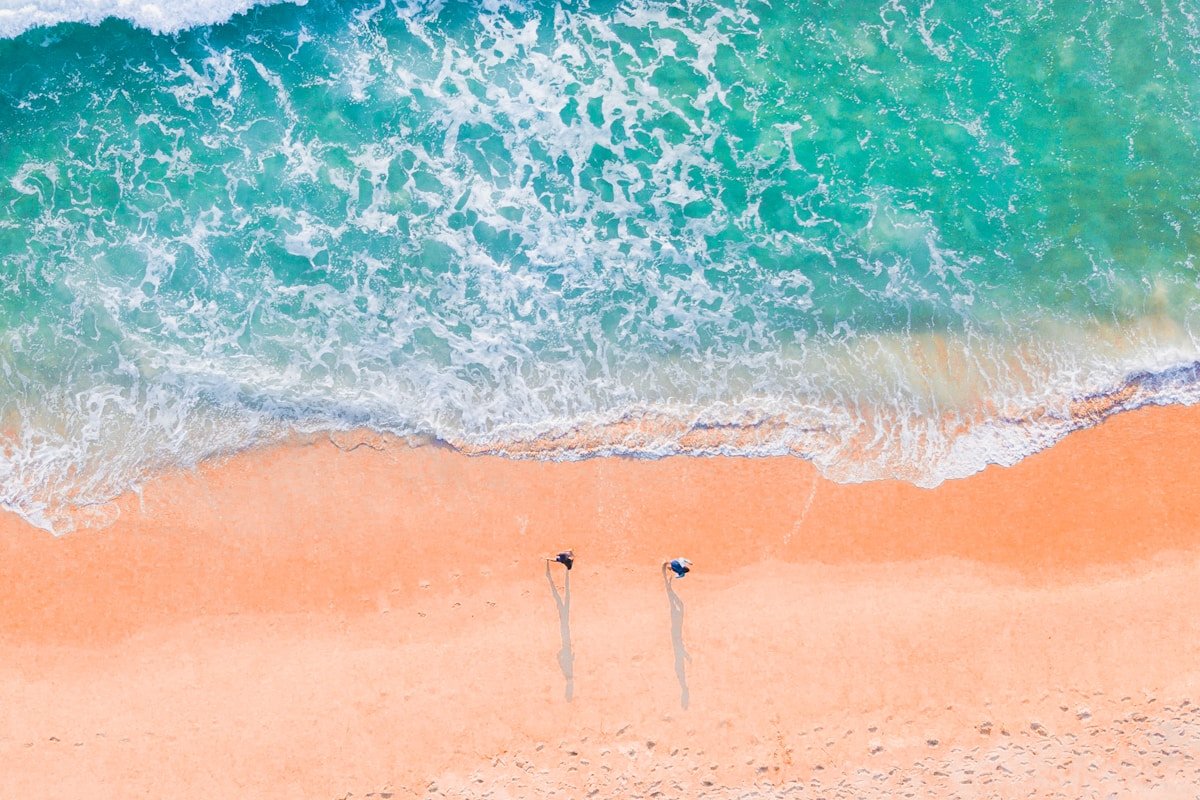
Miami Spring Break Guide: Best Beaches, Parties and Tips
Miami and spring break have been inseparable since the 1980s, when the combination of warm weather, beautiful beaches, and a nightlife scene that does not believe in closing time turned South Beach into the default March destination for anyone under 30 with a week off and a plane ticket. That relationship has evolved significantly — today's Miami spring break is less about the chaotic excess of vintage MTV Spring Break specials and more about a sophisticated, multi-layered experience that ranges from beach clubs and pool parties to world-class dining and cultural exploration.
Whether you are a college student looking for your defining spring break trip, a group of friends in your late twenties seeking the perfect sun-and-nightlife combination, or a young couple wanting a romantic beach getaway that also offers world-class entertainment — Miami delivers across every category. This guide covers the beaches, the parties, the restaurants, the logistics, and the honest practical advice that separates a great spring break from a regretful one.
When Is Spring Break in Miami?
Spring break in Miami is not a single week — it is a rolling six-week phenomenon that begins in late February and extends through early April. Different universities, school districts, and countries break at different times, creating overlapping waves of visitors. The peak concentration typically falls in the second and third weeks of March, when the most schools are simultaneously on break. This is also when Miami Music Week and Ultra Music Festival happen (usually late March), adding another massive influx of visitors.
For the fullest spring break atmosphere — the biggest pool parties, the most packed beaches, the highest energy nightlife — aim for the peak March weeks. For a slightly mellower experience with better prices and easier reservations, target late February or early April. The weather is virtually identical across this window (highs of 78 to 82 degrees Fahrenheit, minimal rain, comfortable humidity), so timing your visit is about crowd preference rather than climate.
Best Beaches for Spring Break
South Beach (5th to 15th Streets)
The epicenter. This stretch of sand between the Art Deco lifeguard towers is where spring break's social energy concentrates most visibly. The beach is wide, the water is calm and swimmable, and the scene is a continuous parade of volleyball games, music, and groups staking out territory with towels and coolers. Lummus Park — the green strip between Ocean Drive and the sand — provides shade, restrooms, and a natural gathering point.
This section gets crowded during peak weeks. Genuinely crowded. Arrive before 10 AM to claim a good spot near the water. Bring your own towels and water (beach vendors charge premium prices). The atmosphere is lively, social, and energetic — perfect if you want to meet people and be in the middle of the action.
South Pointe Beach
At the very southern tip of Miami Beach, South Pointe offers the same white sand and clear water with a different crowd — slightly older, slightly calmer, with cruise ships and yachts passing through Government Cut providing visual entertainment. South Pointe Park has clean restrooms, shaded picnic areas, and a fishing pier. It is the spring break beach for people who want the sun and the beauty without the spring break intensity.
Crandon Park Beach (Key Biscayne)
A 15-minute drive from South Beach, Crandon Park on Key Biscayne is a two-mile stretch of sheltered beach that consistently ranks among the best in the United States. The water is calm and shallow, making it ideal for swimming. The beach has bathhouses, picnic areas, and ample parking. It is a world apart from the South Beach scene — families, kayakers, and people who prioritize natural beauty over social energy. Entry costs $8 per vehicle.
Haulover Beach
North of Bal Harbour, Haulover Beach Park offers a more spacious, less manicured beach experience. The northern section is clothing-optional (one of the few legal nude beaches in Florida). The southern section is a standard public beach with excellent kite-surfing conditions. Haulover attracts a diverse crowd and offers good snorkeling near the jetty. It is 25 minutes from South Beach by car — far enough to feel like an escape, close enough for a day trip.
The Party Scene: Pool Parties, Clubs, and Events
Pool Parties
The pool party is spring break Miami's signature format. Hotel pools transform into open-air clubs with DJ lineups, premium drink service, and a dress code that starts and ends with swimwear. The major venues rotate throughout the week, giving you a different option almost every day.
Key venues: the Fontainebleau's pool deck (massive, iconic, always well-produced), the Delano Beach Club (more curated, fashion-forward crowd), Hyde Beach at the SLS (intimate but intense), and the National Hotel pool (a long, narrow Art Deco pool with a more relaxed atmosphere). Tickets range from $30 to $100, with VIP daybeds and cabanas available for groups at premium prices ($500 to $3,000). Buy tickets online in advance — the best pool parties sell out during peak weeks.
Nightclubs
Miami's nightclub infrastructure is purpose-built for nights like these. LIV at the Fontainebleau is the city's most famous nightclub — a massive, multi-level venue that draws A-list DJs and celebrities with regularity. The energy is overwhelming in the best possible way. Story, also on South Beach, offers a similar scale with a slightly more underground electronic music focus. E11even in downtown Miami is the city's only 24-hour club — a spectacle of acrobatics, music, and nonstop energy that defies the concept of closing time.
Cover charges during spring break range from $40 to $80 for men and $20 to $40 for women at major venues. Guest list registration (available online and through hotel concierges) can reduce or eliminate cover charges — sign up before you arrive. Table service starts at $1,500 to $2,000 and climbs steeply at premium venues. Dress codes are strictly enforced: no flip-flops, no athletic wear, no tank tops for men. Collared shirts, closed-toe shoes, and smart casual is the baseline.
Bar Crawls and Casual Nightlife
Not every night needs to be a nightclub production. South Beach's bar scene offers lower-key options with personality. Mango's Tropical Cafe on Ocean Drive features live Latin music and dancing that spills onto the sidewalk. The Clevelander on Ocean Drive has an open-air bar with a pool and constant music — it is spring break personified, accessible, and reasonably priced. Mac's Club Deuce is the dive bar counterpoint — a dimly lit, no-frills institution on 14th Street that has been serving cheap drinks since 1964. It is the most genuinely cool bar on the beach, precisely because it has never tried to be.
Wynwood offers a different nightlife flavor — craft breweries, cocktail bars, and live music venues with a more creative, less glam crowd. If you need a break from the South Beach intensity, an evening in Wynwood resets your perspective.
Where to Stay
Spring break accommodation on South Beach books up months in advance and prices surge during peak weeks. The earlier you book, the more you save — this is not a destination that rewards last-minute flexibility in March.
Hotels
Classic spring break hotels on South Beach — the Clevelander, the Catalina, the Shelborne — offer beachfront access and an atmosphere that matches the occasion. Rates during peak spring break weeks start at $250 to $400 per night for standard rooms. For a step up in quality, the Faena, the Setai, and the 1 Hotel offer premium experiences at premium prices ($500 to $1,500 per night).
Vacation Rentals
For groups, vacation rentals offer the best value and the most practical setup for spring break. A well-located South Beach apartment shared among four to six people brings per-person costs down to $75 to $125 per night — competitive with hostels but with privacy, a kitchen, and space to get ready together before going out. Casa Amore at The Carlyle — Ocean Front puts your group directly on Ocean Drive in one of South Beach's most iconic Art Deco buildings, walking distance to every pool party, restaurant, and club on this list. Having your own space to pre-game, recover, and store beach supplies makes the entire week smoother.
Casa Amore at The Carlyle — Ocean View offers the same prime location with ocean views at a slightly different price point — ideal for groups who want to be in the center of the action without the maximum-premium positioning of the oceanfront unit. Either way, waking up in the Carlyle building on Ocean Drive during spring break is one of those experiences that makes the trip feel like something more than just a vacation.
Dining: Where to Eat During Spring Break
Casual and Quick
For quick, affordable fuel between beach and nightlife: Pizza Rustica on Washington Avenue (massive slices, open late, $5 to $8), La Sandwicherie on 14th Street (French-style baguette sandwiches with fresh ingredients, $10 to $14), and Bodega Taqueria on 16th Street (street tacos in the front, a hidden speakeasy bar behind a porta-potty door in the back — $3 tacos and a legitimately great cocktail bar).
Group Dinners
For group dinners that double as a scene: Komodo in Brickell (Asian fusion with a rooftop lounge that attracts a dressed-up crowd), Baia Beach Club at the Mondrian (waterfront dining on the bay), and Cecconi's at Soho Beach House (Italian in a beautiful garden setting). For authentic Cuban food before a night out: Versailles on Calle Ocho or Puerto Sagua on Collins Avenue (old-school Cuban-American diner, generous portions, reasonable prices).
Brunch
Spring break brunch is an institution. Nikki Beach on Sunday (beachfront, DJ, champagne-heavy), the Biltmore Hotel in Coral Gables (legendary Sunday brunch buffet in a palatial setting, $85 per person), and Juvia on the Lincoln Road parking garage rooftop (stunning views, creative cuisine, $35 to $50 per person) are the standout options. Book all of these at least a week in advance during peak weeks.
Safety and Practical Tips
Personal Safety
Miami during spring break is generally safe, with increased police presence throughout South Beach. Standard urban awareness applies: stay in well-lit, populated areas at night. Travel in groups when possible. Keep valuables secure — phone theft on the beach and in crowded venues is the most common crime affecting spring breakers. Use the hotel safe for passports and excess cash. Do not leave bags unattended on the beach.
Sun Protection
First-day sunburn is spring break's most common medical complaint. Miami's March sun is strong enough to burn fair skin in 20 to 30 minutes. Apply SPF 50 sunscreen before leaving your accommodation and reapply every two hours, especially after swimming. A hat and sunglasses are not accessories — they are equipment. Drink water constantly. Alcohol and sun dehydrate you simultaneously and the combination is more dangerous than most people realize.
Alcohol and Hydration
Miami's drinking age is 21, strictly enforced. Carry a valid government-issued photo ID (passport for international visitors) at all times — no ID, no drinks, no exceptions. For those of legal age: pace yourself. A spring break week involves sustained social drinking in tropical heat, and the gap between fun and medical emergency is narrower than you think. Eat before drinking. Alternate alcoholic drinks with water. Know your limits and respect them. The most memorable spring breaks are remembered clearly.
Budget Management
Set a daily spending budget before you arrive and track it. Spring break Miami is designed to separate you from your money — cover charges, drink prices, beach vendor markups, and the general atmosphere of spending all conspire against financial discipline. Pre-load a card with your trip budget and leave the rest at home. This simple step prevents the post-trip credit card shock that too many spring breakers experience.
Transportation
Ride-sharing (Uber and Lyft) is the primary nightlife transportation mode. Surge pricing after midnight on weekends can be extreme — $40 to $80 for trips that cost $12 during the day. Strategy: leave clubs slightly before or after the rush (before 1 AM or after 3 AM), walk a few blocks from the main venue before requesting a ride, or pre-arrange pickup timing for your group. The free Miami Beach Trolley operates until midnight and covers key South Beach corridors — use it for pre-midnight transportation.
Spring Break for Non-Party Travelers
Not every spring break visitor wants nonstop nightlife. Miami in March offers perfect weather for cycling along the beach, kayaking in Biscayne Bay, exploring the Art Deco Historic District on foot, visiting Vizcaya Museum and Gardens, taking a day trip to the Everglades, snorkeling at Biscayne National Park, browsing galleries in Wynwood, and eating your way through Little Havana's Cuban restaurants. The beach-and-party crowd concentrates in a relatively small geographic area — step outside it and you have a warm, sunny, uncrowded city with world-class cultural and natural attractions.
Frequently Asked Questions
When is spring break in Miami?
Spring break in Miami runs from late February through early April, with peak intensity in the second and third weeks of March. Different schools break at different times, creating rolling waves of visitors. The busiest period typically coincides with mid-March and overlaps with Miami Music Week (late March). Weather is consistently excellent throughout this window — 78 to 82 degrees Fahrenheit with minimal rain.
How much does a spring break trip to Miami cost?
A realistic spring break budget for seven days, including shared accommodation on South Beach, is $1,500 to $3,000 per person. This covers flights ($200 to $400 domestic), accommodation ($75 to $150 per person per night shared), food ($40 to $75 per day), nightlife ($50 to $100 per night), transportation ($15 to $30 per day), and activities ($0 to $50 per day). Budget travelers can do it for less; nightlife-focused visitors will spend more.
What is the drinking age in Miami?
The legal drinking age in Florida is 21, strictly enforced. All bars, clubs, restaurants, and liquor stores require valid photo ID. International visitors must carry a passport (not a photocopy). Fake IDs carry criminal penalties in Florida. Venues on South Beach are experienced at spotting fakes and will confiscate them and potentially involve law enforcement.
Is South Beach safe during spring break?
South Beach during spring break has increased police presence and is generally safe. The most common issues are petty theft (phone snatching, unattended bags on the beach) and alcohol-related incidents. Travel in groups at night, secure valuables, stay in well-lit areas, and pace your drinking. Miami Beach police are visible and responsive. Use licensed transportation (Uber, Lyft, taxis) rather than accepting rides from strangers.
What should I pack for spring break in Miami?
Pack swimwear (multiple sets), sunscreen SPF 50+, sunglasses, a hat, light casual clothing for daytime, one to two going-out outfits for nightlife (check club dress codes — no athletic wear, no flip-flops for men), comfortable walking shoes, sandals, a portable phone charger, a reusable water bottle, a light layer for air-conditioned restaurants, and a valid ID. Leave expensive jewelry and unnecessary valuables at home.
Do I need a car for spring break in Miami?
No. South Beach is walkable, the free Miami Beach Trolley covers key routes, and ride-sharing handles everything else. A car during spring break means $20 to $40 per day parking, traffic congestion, and the inability to drink — all significant downsides. If you want to explore Key Biscayne, the Everglades, or Fort Lauderdale, rent a car for one day rather than the entire trip.
What are the best spring break pool parties in Miami?
The Fontainebleau pool deck hosts the biggest and most consistent pool parties. Hyde Beach at the SLS is more intimate and fashionable. The Delano Beach Club attracts a curated crowd. The National Hotel pool offers a more relaxed Art Deco setting. Tickets range from $30 to $100 — buy online in advance, as the best events sell out during peak weeks. Most run from noon to 6 or 7 PM.
Where do celebrities go during Miami spring break?
LIV nightclub at the Fontainebleau is the most consistent celebrity nightlife destination. The Faena Hotel hosts exclusive events and dinners. Prime 112 and Komodo are popular celebrity dining spots. However, celebrity sightings are never guaranteed, and most visitors have a better time focusing on their own experience rather than chasing famous faces.
Can I go to Miami for spring break if I am under 21?
Absolutely. Miami's beaches, restaurants, cultural attractions, shopping, and daytime activities are all age-unrestricted. The limitation is alcohol — you cannot purchase or consume alcohol at bars, clubs, or restaurants. Pool parties that are primarily drinking events may enforce a 21+ policy. Focus on beach time, water sports, dining, cultural exploration, and the many daytime experiences that make Miami special beyond nightlife.
How far in advance should I book spring break accommodation?
Book two to four months in advance for the best prices and availability. South Beach hotels during peak March weeks fill up and prices increase sharply as the dates approach. Group vacation rentals are particularly in demand and should be booked as early as possible. Waiting until the last month typically doubles your accommodation cost and limits your options to less desirable locations.


